Looking for roof lights for trucks? This guide highlights five reliable options that improve nighttime visibility and safety for drivers. Each product is suited to different truck types and use cases, from work fleets to personal pickups. Below you’ll find quick why-to-buy notes, a buyer-friendly table, and practical considerations to help you choose.
| Product | Type | Best For | Notes |
|---|---|---|---|
| Partsam 264146BK | Cab/Roof Marker | Standard pickups needing durable cab lamps | UV-treated ABS lens for fade resistance |
| Nilight 5 PCS 16 LED | Surface Mount Marker | High visibility in varied weather | Two installation options |
| ASPL 48LED Roof Top Strobe | Emergency/Strobe Bar | Vehicles requiring warning signals | Magnetic base; long cable |
| Nilight Teardrop 5 PCS | Amber Marker Light | Heavy-duty trucks and trailers | Waterproof design; two wiring options |
| PSEQT 10 LED Amber | Top Clearance Marker | Ford Super Duty era trucks | ABS lens; durable signal |
Partsam 5X Amber 24 LED Roof Lights

Best for: Pickup owners needing reliable cab marker and roof running lights. These lights are designed for 1500, 2500, 3500, 4500, and 5500 series trucks from 2003–2018. The kit uses UV-treated ABS lenses to resist sun fade, which helps maintain clear signaling over time. Choose this if you want a straightforward replacement with strong lens durability.
Why selected: Includes a complete assembly with a robust lens and harness. The 24 LEDs provide solid visibility for cab and roof signaling, helping other drivers notice your vehicle in low-light conditions. The compact kit is suitable for standard cab setups and simple installations.
Caution: Verify the exact wiring harness compatibility with your truck’s cab lights to ensure a plug-and-play fit.
Nilight 5 PCS 16 LED Roof Lights

Best for: Vehicles needing bright, versatile top clearance lighting with practical installation options. These lights use 16 white LEDs per unit and feature a waterproof, sealed housing for tougher weather.
Why selected: The two installation paths—plug-and-play or wired to a switch—offer flexibility for different install environments. The sealed construction reduces moisture concerns, improving long-term reliability.
Caution: Ensure your wiring plan accounts for the switch option if you don’t want to rely on a direct plug connection.
ASPL Upgraded 48LED Roof Top Strobe Lights
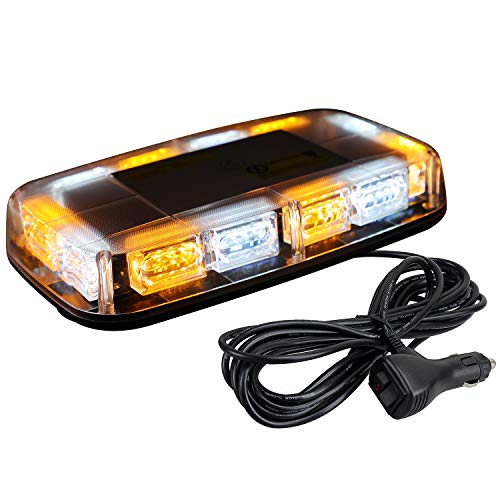
Best for: Vehicles requiring highly visible warning signals, such as snow plows, construction vehicles, and emergency-ready fleets. The 48 high-intensity LEDs maximize warning visibility in various conditions.
Why selected: The upgraded component and extended cable length support stronger attachment and flexible mounting. Its memory function recalls the last used pattern, adding ease of operation for frequent users.
Caution: The magnetic base is strong, but avoid mounting on rapidly moving or high-wind areas where vibration could affect performance.
Nilight Teardrop 5 PCS Amber Lights

Best for: Heavy-duty trucks, trailers, and RVs needing durable teardrop-style markers. Amber lighting improves visibility at higher elevations on long vehicles.
Why selected: Each unit uses a waterproof design with glue-protected circuit areas and provides a reliable two-step installation. The LED count and amber color align well with common trucking signaling standards.
Caution: The teardrop lens shape may have limited compatibility with some non-standard mount positions; check fitment before installation.
PSEQT 10 LED Amber Roof Marker Lights

Best for: Ford Super Duty pickups and SUVs needing reliable top clearance lighting with durable construction. The 5-pack set fits common cab markers and roof markers.
Why selected: Built with UV-resistant ABS lenses and 10 LED chips per light to deliver bright amber signaling while keeping power use modest. The kit is designed for a straightforward replacement scenario.
Caution: Ensure the wiring and power source can support multiple lights in your configuration to avoid voltage drop in long runs.
Buying Guide: Roof Lights For Trucks
What to consider when choosing roof lights for trucks:
- Compatibility: Confirm cab marker light shape, mounting holes, and harness connectors with your truck model and year.
- Visibility: Prioritize LED density, lens type, and color (amber for marker signals; white for clearance) to match regulatory guidance and use case.
- Weatherproofing: Look for sealed housings, glued wiring joints, and UV-treated or durable plastics to handle sun, rain, and road spray.
- Installation: Decide between plug-and-play options or wired connections to switches, based on your electrical setup and ease of install.
- Durability: Opt for rugged lenses and sturdy bases, especially for heavy-duty fleets or vehicles exposed to rough environments.
- Power and wiring: Check voltage compatibility (often 12–24V systems) and whether add-on switches or relays are needed for operation.
- Regulatory and safety: Ensure the selected lights comply with local regulations and provide clear signaling for other drivers in various weather conditions.
Frequently Asked Questions
- Are roof marker lights legal on all trucks?
- Can I replace cab lights with any LED kit?
- Do LED roof lights consume a lot of power?
- Is waterproofing essential for roof lights?
- What installation method is easiest for beginners?
- Should I choose a strobe bar or steady lights?
Legality varies by jurisdiction and vehicle type. Always verify local requirements for marker, clearance, and warning lighting.
Replacement should match mounting holes, connector types, and voltage. Non-compatible kits may require adapters or modifications.
LED lights typically draw low power, but quantities and run time can affect overall draw. Plan wiring and fusing accordingly.
Yes. Weatherproofing protects internal electronics from moisture and extends life in rain, snow, and road spray.
Plug-and-play options are generally easier, while wired-to-switch configurations offer more control and customization.
Strobe bars are ideal for warning signals in work or emergency settings; steady lights are better for standard signaling and visibility.