When choosing an RV sealant for sides, you want a product that bonds well to vertical surfaces, withstands weather, and stays flexible over time. This guide highlights five top options that perform well on walls, doors, windows, and other side surfaces, plus a buying guide and FAQs to help you compare effectively. The selections are suitable for different RV types and climates, from seasonal campers to full-timers. Each entry includes who it’s best for, why it was chosen, and a practical limitation to consider.
| Product | Surface Type | Best For |
|---|---|---|
| Geocel 28100V Pro Flex | Vertical & Damp Surfaces | Maintains adhesion on siding and vents; great for damp areas |
| Dicor 651SANSW-1 NON-Leveling Ultra Sealant | Vertical Surfaces | Non-leveling, white, UV-stable for walls and side joints |
| BEEST RV Roof Sealant (Non-Leveling) | Vertical Surfaces | Windows, walls, doors on campers and trailers |
| 6 Pack RV Roof Sealant (Self-Leveling) | Roof Edges & Vents | Large side-to-roof transitions; vertical compatibility |
| Kohree RV Roof Sealant (Self-Leveling) | Various Surfaces | EPDM, TPO, metal, wood; versatile for siding patches |
Geocel 28100V Pro Flex RV Flexible Sealant
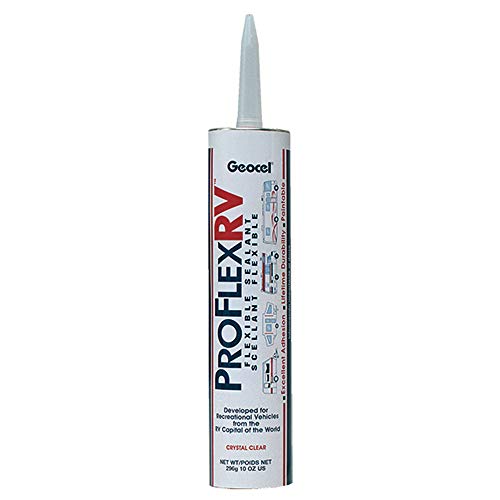
Product highlights: Flash Point 93.0°C; excellent adhesion to many surfaces; remains workable when damp; resealable and can be applied over itself. This makes it a solid choice for side walls near waterlines or in damp climates. Best for RV owners who need a reliable, easy-to-reapply sealant on vertical surfaces where condensation occurs.
- Best for: Damp or humid areas on sides, such as near vents or joints.
- Why chosen: Strong initial tack and compatibility with multiple substrates.
- Limitation: Not explicitly a non-sag, high-build formula; expect standard cure times in cool weather.
Dicor 651SANSW-1 NON-Leveling Ultra Sealant

Product highlights: High-performance polyether formula designed to seal leaks and gaps on RV roofs and appliances; white color for a clean look; non-leveling on vertical surfaces. Selected for side-wall uses where a stable, non-dripping seal is needed during application above the joint line.
- Best for: Vertical surfaces that require a neat, white finish without sagging.
- Why chosen: Durable, UV-stable and compatible with common RV roof systems.
- Limitation: Non-leveling means may not be ideal for horizontal or curved edge applications.
BEEST RV Roof Sealant (Non-Leveling)

Product highlights: Ultimate leak protection with flexible, non-cracking, waterproof seal; UV resistant and non-toxic; suitable for vertical surfaces like walls, windows, and doors. This sealer is practical for quick repairs and reliable protection on outside surfaces exposed to weather.
- Best for: RV walls and windows where a robust, quick-drying seal is needed.
- Why chosen: Hybrid silicone technology offers strong adhesion and weather resistance.
- Limitation: Data notes a non-leveling formulation, which may be less effective on large horizontal seams.
6 Pack RV Roof Sealant (Self-Leveling)

Product highlights: Self-leveling lap sealant designed for RV roofs; white color; all-weather flexibility from -40°F to 200°F. This makes it suitable for side transitions where gravity helps form an even bead on vertical surfaces before leveling.
- Best for: Large side-to-roof transitions and outdoor installations where self-leveling aids coverage.
- Why chosen: The self-leveling property helps create a seamless seal on vertical or overhead joints.
- Limitation: Self-leveling feature may not be ideal for intricate vertical details or tight corners without tooling.
Kohree RV Roof Sealant (Self-Leveling)

Product highlights: Self-leveling lap sealant with a quick 30-second leveling time; safe, low-odor formula; compatible with EPDM, TPO, PVC, metal, and more. It’s a versatile option for siding repairs and roof-side patches where a smooth, continuous seal is needed.
- Best for: Diverse siding materials and mixed substrate surfaces on RV exteriors.
- Why chosen: Wide compatibility and fast leveling reduce application time.
- Limitation: Check compatibility with specific substrates if you have unusual materials on your RV.
Buying Guide: Key Considerations For RV Side Seals
What should you ask before buying an RV sealant for sides? Look for adhesion to damp surfaces, compatibility with common side materials (EPDM, TPO, metal, wood), and whether the sealant is self-leveling or non-leveling. Consider UV stability, odor, cure time, and safety data. For vertical surfaces, non-sag or self-leveling options can influence efficiency and finish. If you need a clean appearance, white or clear formulas help blends with siding. For extreme climates, choose products rated for wide temperature ranges and outdoor exposure.
Frequently Asked Questions
- Q: Should I choose a non-leveling or self-leveling sealant for siding? A: Non-leveling works well on vertical surfaces to prevent sagging, while self-leveling can help create a seamless seam along larger joints.
- Q: Are these sealants safe for indoor use? A: Most are designed for exterior RV use; some are rated for indoor work, but always follow the product’s safety data and ventilation guidance.
- Q: Can I apply sealant over existing sealant? A: Many products allow applying over themselves, but surface cleaning and proper prep improve adhesion. Check the label for specifics.
- Q: How long does curing take on siding applications? A: Cure times vary by product and climate; warmer, dry conditions generally shorten cure times, while damp or cool conditions lengthen them.
- Q: Which sealant is best for UV resistance on walls? A: Look for UV-stable formulations and brands that advertise long-term outdoor durability, such as those with UV stabilization in the description.
- Q: Can these sealants be used on EPDM roofs near the sides? A: Several products are compatible with EPDM; verify each product’s surface compatibility on the label.