Instant guide to the best satellite radio antenna options for trucks. This selection helps long-haul drivers, fleet managers, and RV/travel trailer operators choose antennas that deliver reliable SiriusXM and XM signals on the road. Each product is evaluated for durability, compatibility, and ease of installation. The quick reference table below highlights key choices.
| Product | Best For | Why It Stands Out |
|---|---|---|
| Tram Mirror-Mount Trucker Antenna | Professional drivers; highway use | Strong XM performance; XM/Sirius compatibility |
| Browning Trucker Mirror-Mount Antenna | Extended range; large vehicle setups | Built-in ground plane; tall for better reception |
| Anina Sirius XM Mirror Antenna | Flexible, universal fitting | Broad compatibility; weatherproof and high gain |
| Tram Low-Profile Mirror Antenna | Low-profile installs; discreet looks | Extended range; XM/Sirius ready |
| SiriusXM NGVA3 Magnetic Antenna | Any metal vehicle surface | Low profile; long cable for flexible placement |
Tram Satellite Radio Mirror-Mount Trucker Antenna

Best for professional truck drivers who rely on XM service while on the road. This antenna is compatible with XM and Sirius services and is a favorite for fleet fleets and solo operators who need reliable signal in varied routes. Designed to perform well in typical over-the-road conditions, it pairs with standard RG58 coax and SMB-F connectors for straightforward installation. While it emphasizes XM performance, it remains compatible with Sirius services when paired with the appropriate tuner.
Who it’s best for: drivers who want a robust, plug-and-play antenna with strong XM reception and clear Sirius compatibility. Why chosen: its reputation for high XM performance and ease of use on commercial routes. Caution: check vehicle mirror mounting space to ensure a secure fit and avoid interference with other roof hardware.
Browning Trucker Mirror-Mount Antenna

Best for extended-range needs on large vehicle setups. This Browning model includes a built-in large ground plane and a tall profile (10 inches) that can improve reception, especially in challenging environments. It supports XM and Sirius services, making it a versatile choice for mixed radio systems. Best for operators who can accommodate a taller antenna and want improved signal stability on highways and rural routes.
Who it’s best for: drivers seeking stronger signal in remote areas and those who can accommodate a taller antenna. Why chosen: the built-in ground plane and tall height help with better reception. Caution: the taller form factor may require extra clearance on some mount locations; verify fit before purchase.
Anina Sirius XM Mirror Antenna

Best for flexible installations with high gain and weather resilience. The Anina mirror-mount antenna fits devices with SMB plugs (such as SiriusXM Edge, Lynx, MiRGE, Onyx series, and various XM receivers). It offers 360-degree Sirius XM signal reception and is built to handle extreme weather with IP67 waterproofing. It is a solid pick for mixed trucking fleets and RVs that require reliability in diverse climates and road conditions.
Who it’s best for: operators needing broad compatibility and strong reception in all-weather conditions. Why chosen: wide compatibility, high gain potential, and rugged waterproof design. Caution: ensure your tuner supports an SMB connector variant and verify the specific SiriusXM model compatibility before mounting.
Tram Low-Profile Mirror Antenna
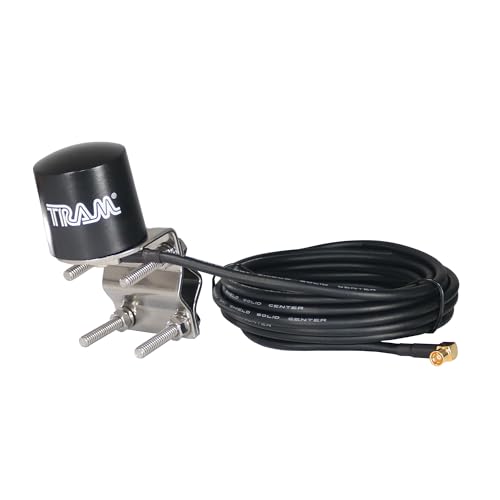
Best for drivers who want a discreet, low-profile solution with strong XM compatibility. This antenna maintains performance while reducing visual impact on the vehicle’s exterior. It’s suitable for long-haul trucks and smaller mirrors alike, offering extended range without the prominence of taller antenna designs. Best for fleets prioritizing aesthetics alongside reliable satellite reception.
Who it’s best for: operators needing a compact, low-profile installation with solid XM/Sirius performance. Why chosen: maintains performance while minimizing external profile. Caution: the lower height may offer less gain in certain obstructions; confirm line-of-sight on your vehicle’s roof ratio to your preferred routes.
SiriusXM NGVA3 Magnetic Antenna

Best for vehicles with metal surfaces where magnetic mounting is advantageous. This magnetic antenna offers flexibility for temporary placements and is compatible with SiriusXM networks using a single input antenna connector. Its low-profile design and long cable (approximately 23 feet) enable placement flexibility, making it suitable for vans, trucks, or service vehicles that require easy relocation.
Who it’s best for: users needing easy repositioning and surface-mount versatility. Why chosen: magnetic base and long cable allow flexible placement. Caution: magnetic mounts can affect certain electronic surfaces; ensure the magnetic base does not interfere with vehicle sensors or metallic components in the mounting area.
Buying Guide
What matters most when choosing a satellite radio antenna for trucks? Consider reception strength, compatibility, mounting style, and durability against weather. If you operate in mixed environments, prioritize XM/Sirius compatibility and a design that supports extended range. For fleet managers, choose antennas with robust mount options and easy installation to reduce downtime.
- Mount type: Mirror-mount, low-profile, or magnetic—pick based on your vehicle size, visibility preferences, and ease of installation.
- Signal compatibility: Ensure the antenna supports XM and Sirius services if your system uses either network.
- Ground plane and gain: Antennas with built-in ground planes or higher profiles can improve signal in weak coverage areas; verify clearance on your vehicle.
- Weather resistance: IP ratings or rugged housings are important for exposure to rain, snow, and road salt.
- Cable length and connectors: Longer cables provide installation flexibility; confirm the tuner’s input connector type (SMB, TNC, etc.).
- Durability and maintenance: Look for UV-stable plastics and weatherproofing for long-lasting operation on the road.
- Installation considerations: Check mirror clearance, roof mounting space, and potential interference with other antennas or devices.
Frequently Asked Questions
- What is the difference between XM and Sirius antennas?
XM and Sirius antennas are often cross-compatible with the right tuner; ensure the antenna supports both networks if you plan to switch services. - Do I need a ground plane for satellite antennas?
Some antennas rely on a ground plane to achieve optimal performance; others include a built-in ground plane or are designed to work without one. - Will a low-profile antenna affect reception on long hauls?
Low-profile designs trade a bit of gain for aesthetics; for open highways, performance is typically sufficient, but confirm for areas with weak signals. - Can I install these antennas on any vehicle?
Most are designed for trucks, vans, RVs, and trailers; verify mounting compatibility with your vehicle’s mirror and roof configuration. - Is waterproofing important for satellite antennas?
Yes. Weatherproofing ensures reliable operation in rain, snow, and road spray, extending the antenna’s usable life. - What if I need to relocate the antenna frequently?
Magnetic or easily mountable mirror antennas are best for temporary setups or fleet vehicles with varying routes.