Answering the common question, these sheet metal options are ideal for auto repair, fabrication, and prototype work. You’ll want steel for structural parts and aluminum for lighter-weight components. The top picks below emphasize weldability, formability, and consistent thickness to support cutting, bending, and mounting in automotive projects. Each product is suited for different buyers: hobbyists will benefit from ready-to-cut sheets, while pros may prefer thicker, more rigid plates for chassis or brackets.
| Product | Gauge / Size | Best For | Key Benefit |
|---|---|---|---|
| Yudylg 5 Pack | 20 gauge, 12″ x 6″ | DIY enthusiasts, light structural work | Excellent weldability, smooth surface |
| Alffun 4 Pcs | 18 gauge, 12″ x 9″ | Pro and DIY projects | Strong, versatile, easy to cut and weld |
| WENHUALI 4 Pcs | 20 gauge, 12″ x 6″ | Professional and hobbyist shop use | Flat, smooth, bendable with low distortion |
| Hicarer 4 Pcs | 18 gauge, 9″ x 12″ | Car chassis, brackets, frames | Thin but sturdy, good for complex shapes |
| ZAVOOS 6 Pack | 16 gauge, 12″ x 9″ | Frequent projects, larger panels | Excellent weldability, durable under load |
Below you’ll find five carefully chosen sheet metal products. Each section explains who it’s best for, why it was selected, and practical considerations to help you choose.
Yudylg 5 Pack 20 Gauge Sheet Metal

Product type: Cold rolled mild steel sheets. Size: 12″ x 6″, thickness 0.039″ (1 mm). Material features high durability, smooth surface, and weldability. Best for precision-driven DIY projects and light automotive repairs where a sturdy, weld-friendly plate is required. A suitable choice for hobbyists building small brackets, patches, or prototypes.
Who it’s for: Home mechanics and hobby fabricators needing consistent thickness and good formability. Why selected: Offers reliable welding compatibility and a smooth surface for clean finishes. Caution: 1 mm thickness is relatively light for heavy structural loads; plan around lighter applications.
Alffun 4 Pcs 18 Gauge Sheets 12×9

Product type: Cold-rolled steel plates. Size: 12″ x 9″ with 1.2 mm thickness (18 gauge). Features include a light protective oil coating for shipping and easy cleaning, plus strong weldability and ductility for a range of fabrication tasks. Suitable for panels, supports, and quick-fabrication needs.
Who it’s for: Industrial and DIY users who want a ready-to-cut template with corrosion protection during transit. Why selected: Strong material with good plasticity and vibration resistance. Caution: Shipping oil coating requires wipe-down before use to ensure clean welds.
WENHUALI 4 Pcs 20 Gauge Sheets

Product type: Cold rolled carbon steel. Size: 12″ x 6″ with 0.039″ (1 mm) thickness. Features include bendability, flat surfaces, and clean edges, enabling precise welding and shaping for DIY or professional use.
Who it’s for: Mechanics and fabricators needing consistent plate integrity for fixtures and supports. Why selected: Emphasizes flatness and edge quality to minimize finishing work. Caution: 20 gauge is thinner for heavy-duty structural parts; verify load requirements beforehand.
Hicarer 4 Pcs 18 Gauge Sheets

Product type: 18 gauge mild steel sheets. Size: 9″ x 12″ per sheet. Features include generous packaging and easy weldability, suitable for DIY projects, chassis components, and equipment supports. Edges are described as burr-free for cleaner finishes.
Who it’s for: Auto enthusiasts or fabricators designing chassis pieces or brackets. Why selected: Combines quantity with reliable 18-gauge strength, balancing weight and rigidity. Caution: Slight surface oxidation can occur during sea shipment; wipe clean before processing.
ZAVOOS 6 Pack 16 Gauge Sheets
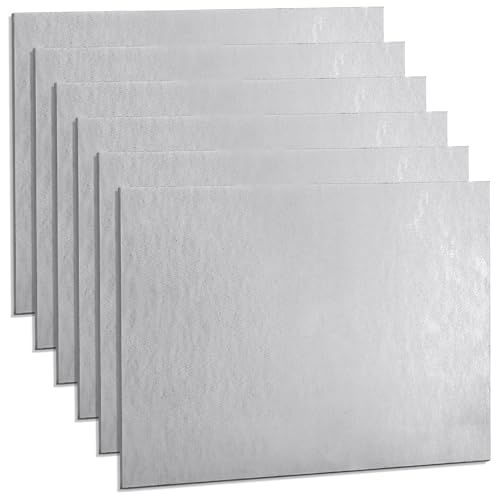
Product type: Cold-rolled 16 gauge steel plates. Size: 12″ x 9″ with 1.5 mm thickness. Features include good plasticity, weldability, and shock/vibration absorption. This size and gauge combination suits heavier brackets, frames, and structural elements in automotive builds.
Who it’s for: Professionals and serious hobbyists needing more rigid panels. Why selected: Higher gauge provides improved load-bearing potential. Caution: Heavier material may require stronger tooling and equipment for cutting and welding.
BRULVVR 4 Pcs 18 Gauge 12×16 Plates

Product type: A36 cold rolled steel sheets. Size: 12″ x 16″ with 1.2 mm thickness. Features include smooth laser-cut edges, corrosion resistance, and suitability for structural fabrication. Best for projects requiring solid welds and a clean finish for painting or plating.
Who it’s for: Builders tackling frame components, brackets, or custom chassis pieces. Why selected: Good balance of thickness and workability. Caution: Not ideal for projects needing extreme flexibility or ultra-lightweight parts.
Buying Guide
What gauge should I choose for automotive fabrication?
Choose thicker gauges (14–16 GA) for structural parts or load-bearing brackets, and thinner gauges (18–20 GA) for trim, enclosures, or lightweight supports. Thicker plates resist bending but are harder to cut and weld.
Steel vs aluminum for cars: which is best?
Steel offers higher strength and lower cost per pound, making it common for chassis and brackets. Aluminum is lighter and corrosion resistant but can be more expensive and harder to weld. Your choice depends on weight targets and repairability needs.
What finish considerations matter?
Raw metal can oxidize or corrode. Consider protective coatings or oil during shipping, and plan for cleaning, priming, or painting before installation to ensure longevity in the automotive environment.
How should I prepare the metal for welding?
Ensure edges are clean and burr-free. Use appropriate welding methods for the material (e.g., MIG for steel) and keep heat input controlled to minimize warping. Thicker sheets may require clamping and backing to prevent distortion.
What safety steps are essential?
Wear eye protection, gloves, and a respirator if cutting or welding. Work in a well-ventilated area, and follow tool-specific safety instructions to prevent injuries and fires.
What’s the best way to store sheet metal?
Store flat in a dry area to minimize surface rust. Keep sheets in their original packaging or stack with protective spacers to prevent scratches and edge damage.
FAQ
Q: Can these sheets be used for car chassis work?
A: Yes, particularly the 16–18 gauge options can be suitable for brackets, supports, and light structural elements, depending on load requirements.
Q: Are the sheets pre-painted or coated?
A: Most sheets have a protective oil coating or are listed as bare metal; cleaning is recommended before welding or painting.
Q: Which sheet is best for DIY patches?
A: The lighter gauges (20 gauge) are easier to cut and shape for patch panels, while ensuring weldability and clean finishes.
Q: Is all steel appropriate for outdoor automotive use?
A: Consult coating and corrosion resistance requirements; consider protective finishes for outdoor exposure or salt-prone environments.