If you’re selecting spark plugs for your car, you want reliability, durable ignition, and good efficiency. This guide focuses on five well-rounded options that suit a range of engines and driving styles. The top picks are best for everyday commuting, performance-minded drivers, and those seeking OEM-like reliability. Read on to find the right match for your vehicle and driving needs.
| Product | Brand | Type | Best For |
|---|---|---|---|
| NGK # 3186 G-Power Platinum Spark Plugs TR5GP – 8 PCS NEW | NGK | Platinum | Daily drivers needing wide heat range and carbon buildup resistance |
| NGK LKR7DIX-11S Iridium IX Spark Plug (93175 Iridium IX), 4 Pack | NGK | Iridium | Performance enthusiasts seeking quick starts and throttle response |
| NGK 3951 Spark Plugs TR55 (6 Pack) | NGK | Platinum | Budget-friendly replacement with strong heat range |
| NGK (4469) LFR5AIX-11 Iridium IX Spark Plug (8 Pack) | NGK | Iridium | Durable, high-performance ignition for modern engines |
| A-Premium Iridium Platinum Spark Plugs Set | A-Premium | Iridium/Platinum | Vehicle compatibility across popular models |
Note: Product choices are presented to cover a spectrum of engine types and maintenance goals. The table highlights who each option targets, helping you compare at a glance before diving into full product details.
NGK # 3186 G-Power Platinum Spark Plugs TR5GP
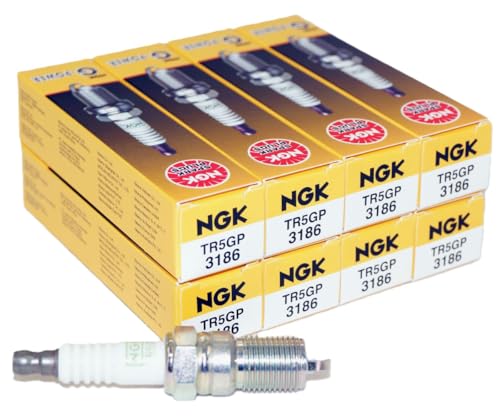
Type: Platinum spark plug with G-Power design. Designed to operate over a wider heat range than ordinary plugs, this option resists carbon buildup and pre-ignition.
Best for: Everyday drivers who want reliable starts and steady performance across varied climates. The wide heat range can help prevent fouling in short trips or frequent idle cycles.
Why chosen: The G-Power Platinum construction emphasizes durability and consistent ignition, potentially reducing maintenance intervals on compatible engines.
Caution: Data suggests broad heat range benefits, but actual performance depends on engine calibration and operating conditions.
NGK LKR7DIX-11S Iridium IX Spark Plug (93175 Iridium IX)
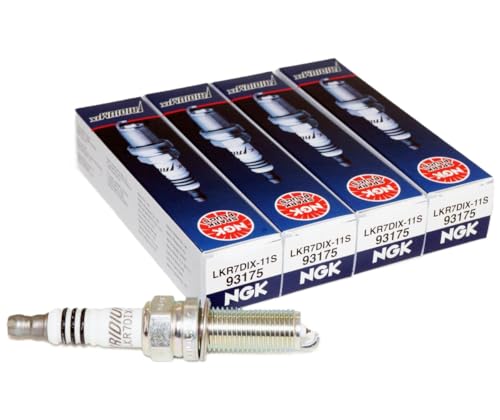
Type: Iridium IX with a 0.6 mm laser-welded Iridium tip. Features a tapered ground electrode to minimize quenching and a longer insulator with corrugated ribs to reduce flashover.
Best for: Performance enthusiasts seeking extreme ignitability, better throttle response, and dependable starts under dynamic driving.
Why chosen: Iridium IX plugs are engineered for durability and stable sparks, supporting consistent combustion in demanding engines.
Caution: Iridium plugs typically cost more; benefits are most evident in engines tuned for performance or with high-compression designs.
NGK 3951 Spark Plugs TR55 (6 Pack)
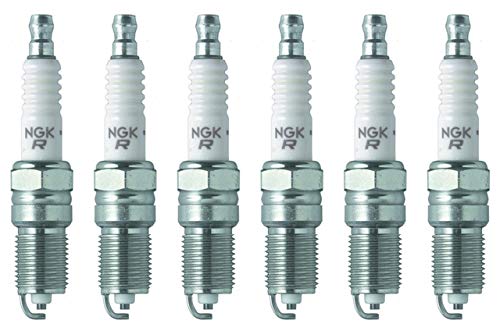
Type: Platinum design with a wider heat range. Noted for resisting carbon buildup and pre-ignition.
Best for: Budget-conscious buyers who still want reliable ignition performance and reduced fouling in daily drivers.
Why chosen: The TR55 family is known for dependable ignition and a protective triple gasket seal that helps prevent combustion gas leakage.
Caution: Platinum plugs may require gapping adjustments for certain engines; verify compatibility with your vehicle’s specifications.
NGK (4469) LFR5AIX-11 Iridium IX Spark Plug

Type: Iridium IX with advanced electrode design for efficient spark and durability.
Best for: Vehicles requiring trusted OEM-grade performance and reliable ignition under varied driving conditions.
Why chosen: NGK is a global leader in ignition components, and this option emphasizes consistent starts, smooth operation, and robust electrode technology.
Caution: In some engines, the marginal gains over other designs may be less noticeable; ensure fitment for your model.
A-Premium Iridium Platinum Spark Plugs Set

Type: Iridium/Platinum combination designed to cover a wide range of modern vehicles.
Best for: Car owners with mixed-brand fleets or those seeking compatibility across multiple OEM fitments.
Why chosen: The set references multiple compatible vehicle lines and part numbers, offering flexible replacement options.
Caution: Compatibility lists can be extensive; confirm exact fitment for your car’s year, make, and model before installation.
Buying Guide: Key Purchase Considerations
What engine type does your vehicle have? Iridium and platinum plugs typically suit modern engines with compact electrode tips, while older engines may perform well with standard or long-life designs. Check the gap specification and the recommended heat range for your engine to avoid fouling or misfires.
How do heat ranges matter? A plug’s heat range determines how quickly it dissipates heat. Too hot can cause pre-ignition and deposits; too cold can cause fouling. Choose a plug with the heat range recommended by your vehicle’s manufacturer or a trusted aftermarket guide.
What about electrode material? Iridium and platinum offer longer life and better ignition reliability under demanding conditions, but they can cost more upfront. For daily drivers, platinum often provides a solid balance of cost and durability; for performance or high-load engines, iridium can be advantageous.
OEM compatibility matters. Some engines rely on specific electrode geometry or sealing designs (such as triple seal). Verify your vehicle’s OEM specifications or consult a parts compatibility table to prevent mismatches.
Maintenance and replacement intervals. Spark plugs are typically replaced at intervals suggested by the vehicle maker. Iridium and platinum plugs often permit longer intervals than standard copper plugs, but this varies by engine and driving style. Consider your maintenance schedule and driving conditions when selecting a plug type.
Frequently Asked Questions
- Q: Are iridium spark plugs worth the extra cost? A: For engines requiring high ignition stability and performance, iridium can offer improved cold starts and better throttle response, justifying the cost on performance or high-mileage vehicles.
- Q: How do I know if my car needs a wide heat range plug? A: If you drive in varied conditions (short trips, cold starts, or heavy city traffic), a wider heat range helps prevent fouling and pre-ignition.
- Q: Can I mix brands? A: It’s best to stick with a single design language (iridium vs platinum) per engine, as mixed alloy plugs can have different heat ranges and ignition characteristics. Always follow manufacturer recommendations.
- Q: Do OEM plugs differ from aftermarket options? A: OEM plugs are designed to match a vehicle’s original specifications. Aftermarket options can offer cost or durability benefits but should still align with the engine’s heat range and electrode design requirements.
- Q: How do I identify the correct spark plug size for my car? A: Check your owner’s manual or a reliable parts database for the recommended plug type, thread size, and heat range specific to your year, make, and model.
- Q: Is a set of multiple plugs worth buying at once? A: For many vehicles, replacing all plugs at the same time helps ensure even ignition and consistent engine performance, especially if the set is designed for your engine family.