Among rust-prone metals, the right spray paint can convert, seal, and protect surfaces. This guide highlights five top options designed to stop rust, seal old corrosion, and provide durable finishes for metal, wood, concrete, and more. The best choices vary by project type, prep level, and climate. Use this overview to match the product to your needs, whether you’re restoring a car frame, railing, or outdoor tools.
Summary table of selected products
| Product | Best For | Key Benefit |
|---|---|---|
| Rust-Oleum 248658 Stops Rust Reformer Spray Paint | Rusty metal surfaces needing a quick rust-to-paint transformation | Converts rust to a paintable surface; bonds directly to rust |
| Rust-Oleum 7798830 Stops Rust Spray Paint | Exterior and interior metal and non-metal surfaces | Durable, weather- and corrosion-resistant coating |
| Rust-Oleum 248657-6PK Stops Rust Undercoating Spray | Underbodies and protected areas of vehicles | Rubberized protection against water, salt, and chemicals |
| AGS RUST SOLUTIONS Rust Stop Spray Paint | Direct rust over metal without sanding | Epoxy-fortified adhesion with high heat and salt spray resistance |
| Rust-Oleum 7776830 Stops Rust Spray Paint | General rust-prevention on various surfaces | Reliable rust prevention with broad surface compatibility |
Rust-Oleum 248658 Stops Rust Reformer Spray Paint

Best for rusty metal surfaces needing a quick transformation. This reformer converts surface rust into a flat, paintable layer that accepts topcoat. The oil-based formula bonds with rusted areas to seal and prevent further corrosion. Dries tack-free in 20–40 minutes, with full topcoat readiness after 24 hours. Choose this if you want a fast, paintable rust conversion rather than heavy sanding. Caution: works best on minimally pitted rust; deeply pitted metal may require longer drying times.
Rust-Oleum 7798830 Stops Rust Spray Paint

Best for versatile protection on exterior and interior surfaces. This oil-based coating provides a durable rust-preventive layer for wood, metal, concrete, masonry, and more. It dries to touch in 2–4 hours and covers up to about 15 square feet. Opt for this when you need a reliable, all-purpose rust shield for varied materials. Limitation: longer dry time in cooler conditions may slow workflow.
Rust-Oleum 248657-6PK Stops Rust Undercoating Spray
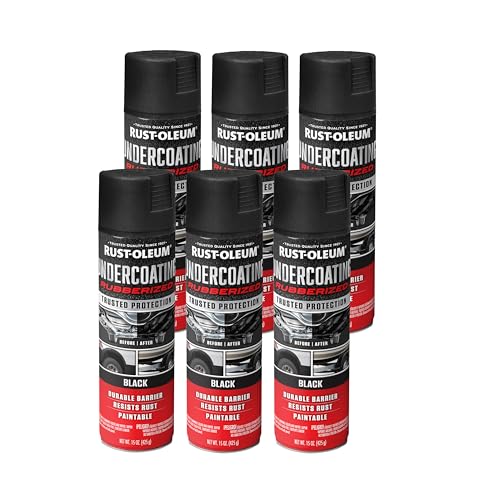
Best for underbody protection on cars, trucks, trailers, and RVs. The rubberized formula guards against corrosion and damage from water, salt, and chemicals. Dries to touch in about 30 minutes and covers 10–12 square feet per can. Choose this when you need a shield for hard-to-reach underside areas. Limitation: undercoating is best applied on clean, dry surfaces for optimal adhesion.
AGS RUST SOLUTIONS Rust Stop Spray Paint for Metal

Best for direct rust application without sanding or scraping. This 14-ounce can bonds directly to rusted metal to seal and halt rust progression. It endures up to 300°F heat and over 1,000 hours of salt spray testing, offering strong durability in harsh conditions. Epoxy-fortified formula improves adhesion and resistance to chipping. Caution: heavy rust pits may still require surface prep for the best finish.
Rust-Oleum 7769830 Stops Rust Rusty Metal Primer Spray
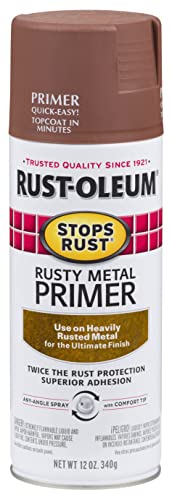
Best for priming exterior or interior heavily rusted metal surfaces. The oil-based formula provides a durable base that enhances rust prevention and topcoat adherence. Dries to touch in 15–30 minutes and covers about 10–12 square feet per can. Choose this primer when you need a solid rust-focused base layer before color coats. Limitation: not ideal for non-metal surfaces or light rust areas that don’t require primer.
Additional Buying Guide: Key Considerations for Rust Paints
What surface are you treating? Metal surfaces, including iron and steel, respond well to oil-based rust paints and primers. For vehicles or underbodies, rubberized undercoats add abrasion resistance. If you aim to convert existing rust into a paintable surface, rust reformers offer a time-saving route that reduces prep work.
Do you need direct-to-rust application? Some formulations bond directly to rusted metal without sanding. This is convenient for quick repairs but assess surface pits and texture to determine whether a light topcoat is still needed for a smooth finish.
What climate and exposure will the coating endure? Exterior projects facing rain, salt, and humidity benefit from weather-resistant coatings that resist corrosion and salt spray. In high-heat environments, ensure the product supports elevated temperatures if exposed to heat or direct sun.
What is your topcoat plan? If the rust is only an aesthetic or light corrosion issue, reformers can be sufficient. For heavy rust or structural components, consider a dedicated rust primer or undercoating with durable adhesion and barrier properties.
How much area will you cover? Coating coverage varies by can size and porosity of the surface. Compute square footage to estimate how many cans you’ll need and whether a paired primer or undercoating is warranted for long-lasting results.
Frequently Asked Questions
- Can I spray rust directly on bare metal? Yes, some formulas are designed to bond directly to rusted surfaces, but check product specifics and consider undercoating or primer for large or highly textured areas.
- How long does rust paint take to dry? Dry times vary by product and conditions; reach tack-free in minutes to a few hours, with full cure in 24 hours or more in some cases.
- Is rust reformer better than rust primer? Reformers convert rust to a paintable layer, offering faster prep; primers provide a stable base and may offer stronger adhesion for topcoats in harsh environments.
- Should I sand rust before painting? Many products allow direct application, but sanding improves adhesion on heavily pitted areas and yields a smoother finish where topcoats are visible.
- Do rust paints protect against salt and moisture? High-quality rust paints often include corrosion resistance and salt spray testing; select undercoatings or epoxy-fortified formulas for maximum protection in coastal or winter-climate use.
- What surfaces aren’t suitable for these sprays? Non-metal surfaces or delicate materials may not be ideal for oil-based rust paints; follow product guidelines for material compatibility.