Answering the common buyer question: for reliable, long-lasting lubrication in braking systems, choose a high-temperature, synthetic brake grease designed for calipers and pins. These products help prevent binding, squeals, and corrosion, even in wet or harsh conditions. This guide highlights five top options and explains who each is best for, with practical buying tips and a simple comparison table.
| Product | Best For | Key Benefit |
|---|---|---|
| CRC 05359 Brake Caliper Synthetic Grease | DIYers and pros needing all-around protection | Wide temperature range and moisture resistance |
| AGS Automotive SIL-Glyde Silicone Brake Grease | Brake pad and caliper lubrication | Superior silicone protection for smooth operation |
| Keze High Temp Ceramic Brake Caliper Grease | High-friction parts and slip points | Ceramic-enhanced formula resists high heat |
| BTAS Brake Caliper Grease | Quiet operation and broad compatibility | Nanoceramics reduce friction and noise |
| CRC SL3301 Synthetic Brake & Caliper Grease | General use on most brake jobs | High-temp tolerance across a wide range |
CRC 05359 Brake Caliper Synthetic Grease

Features: Synthetic grease prevents caliper binding, vibration and corrosion. Contains molybdenum, PTFE and graphite for a wide temperature range (-40°F to 400°F). Moisture resistant and will not wash out.
Best for: DIY enthusiasts and mechanics who need a reliable all-around brake caliper lube that performs in wet or humid conditions.
Why selected: Balanced chemistry provides protection against sticking and wear across common brake alloys and seal materials.
Limitations: May be less specialized for extreme high-heat race applications compared to purpose-built ceramic formulas.
AGS Automotive SIL-Glyde Silicone Brake Grease

Features: Premium silicone lubricant designed for caliper and pad lubrication. High-temperature tolerance supports smooth operation and longevity of brake components. Suitable as caliper grease and pin grease.
Best for: Those wanting a silicone-based option for quiet, smooth caliper action and broad compatibility with brake parts.
Why selected: Versatile application and strong protection of delicate rubber and plastic components common in braking hardware.
Limitations: Silicone-based greases may attract dirt if not kept clean during service; wipe surfaces before applying.
Keze Ceramic Brake Caliper Grease
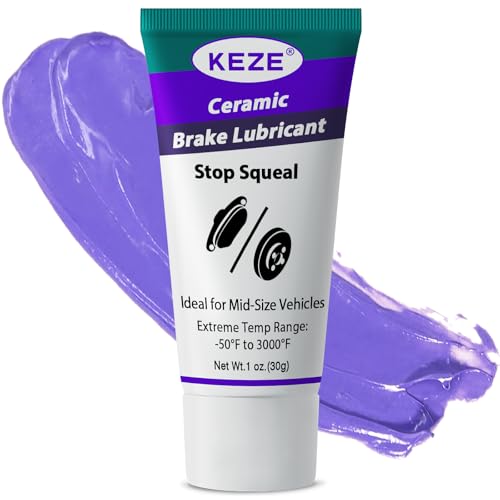
Features: Extreme-temperature brake caliper grease combining synthetic MCA and ceramic powder to resist melting up to 3000°F. Prevents seizing, reduces squeaks, and offers corrosion resistance.
Best for: Vehicles with high-friction or high-heat components, such as performance street cars or heavy-duty applications.
Why selected: Ceramic reinforcement provides strong heat resistance and durable lubrication across extreme conditions.
Limitations: Ceramic-enhanced formulas can be stiffer; ensure compatibility with pins or bushings as specified by the vehicle manufacturer.
Keze Ceramic Brake Caliper Lubricant (8 oz)

Features: Similar extreme-temp formulation with MCA and ceramic powder to resist 3000°F. Stops squeaking and seizing, corrosion-resistant under harsh conditions.
Best for: Those needing reliable lubrication for caliper pins, sliding mechanisms, and pad contact surfaces in hot climates.
Why selected: Parallel benefits to the previous Keze option with a brush-top can for easier application on tight spots.
Limitations: Availability and price may vary; users should verify fit for their specific caliper design.
BTAS Brake Caliper Grease

Features: Anti-seize and squeal reduction with 100% synthetic formula. High-temperature compatibility up to 3,000°F. Suitable for complete brake assembly and all components.
Best for: Drivers seeking quiet operation and broad material compatibility with plastics and rubbers (EPDM and NBR).
Why selected: The formula targets friction reduction and noise control across diverse brake hardware.
Limitations: Specific performance claims depend on the exact braking system design and maintenance practices.
CRC SL3301 Synthetic Brake & Caliper Grease

Features: Contains molybdenum, PTFE, and graphite for an extended temperature range from -30°F to 600°F. Suitable for general braking jobs; note non-VOC compliance in certain regions.
Best for: Those performing routine brake maintenance across varied climates and seasons.
Why selected: Strong chemical mix provides protection across a wide heat spectrum and diverse metal surfaces.
Limitations: California and OTC VOC requirements may affect availability or usage in some areas.
Buying Guide
Choosing the right synthetic brake grease involves understanding application, heat tolerance, and material compatibility. Consider the following questions:
- What is the maximum operating temperature your braking system experiences?
- Does the lubricant need to resist moisture and washout in wet climates?
- Are you lubricating caliper pins, sliding surfaces, or pad contact points?
- Is compatibility with EPDM/NBR plastics and rubber seals important for your vehicle?
- Do you prefer a silicone-based, ceramic-enhanced, or standard synthetic formula?
Practical tips: apply a thin, even layer to clean surfaces. Avoid over-lubricating moving parts, which can attract dirt. When in doubt, follow the vehicle manufacturer’s guidelines and use a product designed for calipers, pins, and pad contact areas.
FAQ
- What is the main difference between silicone and ceramic brake greases? Silicone greases excel at standard lubrication and broad compatibility with plastics; ceramic greases resist higher temperatures and reduce squeal on high-friction components.
- Can I use brake grease on all brake components? Use products specifically labeled for calipers, pins, and pad contact areas. Some parts may require compatibility with materials like EPDM/NBR seals.
- Will brake grease prevent squealing? It can reduce squeal by lowering friction in moving parts, but squeal can also be caused by pads, rotors, or alignment issues.
- How often should I reapply brake grease? Reapplication is typically part of regular brake maintenance or when removing components for service. Follow manufacturer recommendations.
- Is high-temperature resistance always necessary? In high-heat or performance braking scenarios, a high-temperature formula helps prevent breakdown and sticking.
- Are there safety considerations when applying brake grease? Work in a clean area, avoid contact with brake pads’ friction surfaces, and wear protective gear to prevent skin contact.