If you’re dealing with stubborn tar, bug splatter, or tree sap on a vehicle’s exterior, you need an effective tar remover designed for automotive finishes. This guide highlights five well-rounded options and explains who each product suits best. The picks below are organized to help you pick by surface safety, ease of use, and how quickly they work. This resource is aimed at DIY detailers, weekend washers, and anyone seeking a paint-safe solution for tough road residues.
Buyer-friendly summary table (quick comparisons):
| Product | Best For | Key Benefit | Surface Safety |
|---|---|---|---|
| Chemical Guys Bug & Tar Remover | All exterior surfaces | Fast-acting formula with easy rinse | Safe for paint, glass, chrome, plastic |
| Stoner Car Care Tarminator | Tar and sap on painted surfaces | 20–60 seconds dwell for rapid removal | Clear coat safe |
| Rain-X Pro 3-in-1 | Multi-surface bug/tar removal | Cleans many contaminants in one step | All exterior surfaces |
| Adam’s Tar Remover | Heavy contaminants on paint and chrome | Powerful solvent-based formula | Safe for clear coats |
| Meguiar’s G180515 | Bug and tar on paint, glass, plastic | Heavy-duty, per-pack formulation | Clear coat safe |
Chemical Guys Bug and Tar Remover

Best for: DIY detailers seeking a fast, all-surface cleaner that is safe for paint, glass, chrome, and plastics. This heavy-duty car wash additive helps break down bug splatter and tar without requiring aggressive scrubbing. The formula is designed to rinse clean with minimal streaks.
Why selected: It combines a quick-acting composition with broad-surface compatibility. The product emphasizes ease of use in a wash bucket or foam cannon, reducing the effort required to prep a vehicle for wax or sealant.
Caution: For very delicate coatings or matte finishes, test on a small area first to confirm no streaking on the specific surface.
Stoner Car Care Tarminator

Best for: Vehicles with stubborn tar and asphalt residues where quick dissolution is desired. It is positioned as safe on clear coats and chrome, making it suitable for bumpers, wheels, and body panels.
Why selected: The product touts a fast action window (30–60 seconds) with no scrubbing required, making it a strong choice for quick detail sessions or when time is limited.
Caution: Avoid prolonged dwell on sensitive plastics if you notice any surface hazing; wipe and rinse promptly as directed.
Rain-X Pro 3-in-1 Tar Remover

Best for: Those who want a versatile cleaner that tackles bug residues, tar, and adhesives in a single step across exterior surfaces. It emphasizes broad compatibility and ease of use.
Why selected: Its 3-in-1 framing makes it convenient for quick cleans on multiple sites of a vehicle, such as bumpers and side panels, without swapping products mid-job.
Caution: Check the product’s dwell time recommendations and avoid contact with sensitive trims for extended periods.
Adam’s Polishes Tar Remover
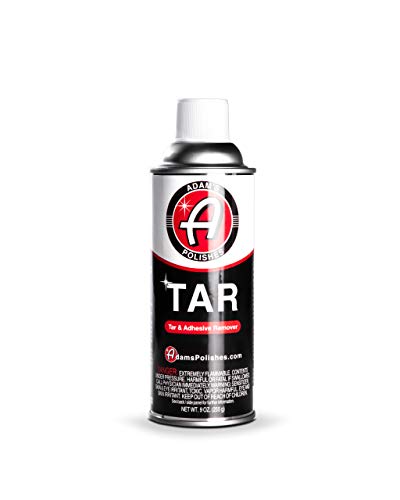
Best for: Detailers dealing with sticky tar, road grime, and adhesive residues on paint, wheels, and chrome. The formula blends solvents with citrus oils for strong contaminant dissolution.
Why selected: The product highlights a robust solvent-based action designed to remove heavy contaminants quickly, while noting safety for clear coats and chrome surfaces.
Caution: This is a stronger solvent; use with ventilation and avoid prolonged exposure on sensitive finishes beyond manufacturer guidance.
Meguiar’s G180515 Bug & Tar Remover

Best for: Enthusiasts seeking a heavy-duty bug and tar remover that remains clear coat safe while delivering strong performance on bugs, tar, and related residues.
Why selected: Meguiar’s formulation is designed to latch onto contaminants, penetrate, and wipe away with minimal effort, preserving paint and clear coats.
Caution: Per-pack details mean you should consider whether you need a single bottle vs. multipack usage for ongoing maintenance.
Buying Guide: Tar Removers For Cars
What should you look for when choosing a tar remover?
- Surface safety: Ensure compatibility with paint, clear coats, glass, plastic, and chrome. If you have ceramic coatings or waxes, verify coating-safe formulations.
- Contaminant types: Consider whether you primarily remove tar, tree sap, bug splatter, or road grime, and pick a formula optimized for those residues.
- Action speed: Look for products that advertise a dwell time or “fast-acting” results to minimize scrubbing.
- Ease of use: Some products are rinse-free or require minimal agitation, which is ideal for quick sessions or preventive maintenance.
- Application method: Options include spray-on, rinse-off, or wash-bucket additives. Foam and spray applications can improve coverage.
What scenarios favor specific product types?
- Heavy, baked-on tar: Solvent-based or strong formulations (Adam’s Tar Remover, Meguiar’s) can dissolve tough residues more quickly.
- Bug splatter and sap: Cleaners marketed for bugs and sap (Chemical Guys, Rain-X, Meguiar’s) often balance strength with paint safety.
- Multiple surfaces: Multi-surface cleaners (Rain-X 3-in-1) are convenient for quicker jobs on bumpers, glass, and trim alike.
How should you test and apply tar removers?
- Always test a hidden area first to confirm no surface damage or streaking.
- Apply as directed, usually letting the product dwell briefly before wiping with a microfiber towel.
- Rinse thoroughly and inspect for any remaining residues; repeat if necessary on stubborn spots.
Maintenance and safety considerations
- Ventilation and gloves when using solvent-based formulas.
- Avoid mixing products unless explicitly advised by the manufacturer.
- Follow up with a protective treatment (sealant or wax) after residue removal for ongoing protection.
Frequently Asked Questions
- What is the best tar remover for painted surfaces?
– Look for tar removers explicitly labeled as safe for paint and clear coats; a few products in this guide emphasize clear coat safety. - Can tar remover damage my ceramic coating?
– Choose formulas that state coating compatibility; avoid abrasive scrubbing and use the recommended dwell time. - How long should tar remover sit on the surface?
– Most products indicate a dwell of 30–60 seconds to loosen residues; always follow the specific product directions. - Is a vehicle wash needed after using tar remover?
– Rinse or wash as directed to remove loosened residues and any chemical residues. - Are these products safe for wheels and chrome?
– Many options are designed to be safe for chrome and painted wheels; verify the product notes for wheels-specific use.