The best thermal camera for a vehicle enhances night visibility, detects hazards before they appear, and supports safer driving in low-visibility conditions. This guide highlights five top options, explaining who each device is best for, why it stands out, and any notable limits. Ideal buyers include off-road enthusiasts, truck drivers, fleet operators, and daily commuters seeking extra confidence during night or poor-weather driving.
| Product | Best For | Key Benefit |
|---|---|---|
| Robofinity InsightDrive | Off-road and highway drivers needing long-range, AI-powered heat vision | 656 ft detection range with AI deer collision alerts |
| KAYZY 256×192 Thermal System | Night driving where glare and fog hinder vision | Long 984 ft road detection with AI recognition |
| TOPDON NV001 | Long-range night vision with AI collision alerts | 656 ft viewing range and enhanced 384×288 image clarity |
| Prikpont Thermal Camera | Heavy-traffic or off-road drivers needing AI alerts and long reach | 1000 ft detection with AI alerts and 1080p display |
| DARK 30 PTZ 640 | Vehicles needing adjustable motion and versatile mounting | PTZ control with detachable base and dual viewing |
The following sections detail five top options, each with a concise quick-reference note on who benefits most, plus a practical caution for potential buyers.
Robofinity InsightDrive Thermal Camera

Best for off-road and long daily commutes, the InsightDrive uses AI-powered thermal imaging to deliver 656 ft detection, enabling early threat recognition on dark rural roads and highway stretches. It is trusted by thousands for 24/7 reliability and provides a “third eye” that remains effective in rain, fog, or glare. A caution: the system’s performance depends on proper mounting and calibration to maximize its field of view.
Thermal Camera For Cars By KAYZY

Best for drivers needing a brighter, more distant heat-based reference, it combines a 1024 x 600 display with a 256 x 192 thermal sensor. The device detects pedestrians, vehicles, and animals with an unusually long road detection range of 984 ft and supports AI-assisted recognition. Caution: the defrost function engages at low temperatures, so plan for vent- or climate-related effects on the display in extreme cold.
TOPDON NV001 Thermal Camera For Cars

Best for drivers needing extended night vision with AI collision alerts, the NV001 offers a 656 ft view and enhanced 384 x 288 image clarity over previous 256 x 192 sensors. It highlights pedestrians, vehicles, and animals with a color-coded alert system. Caution: ensure the display is legible in bright daytime conditions and that the installation maintains clear line-of-sight for the sensor.
Prikpont Thermal Camera For Cars

Best for drivers seeking long-range detection (up to 1000 ft) with AI collision alerts and a sharp 1080p display. It fuses thermal and visible imaging for robust threat detection in total darkness and adverse weather. A caution: set the AI sensitivity and alert thresholds to match local traffic patterns to avoid over- or under-warning in busy areas.
DARK 30 PTZ 640 Thermal Camera
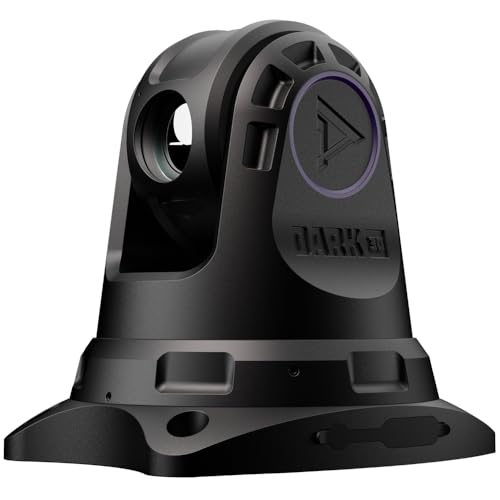
Best for vehicle-mounted PTZ monitoring, it features variable rotation speeds and a detachable base for flexible installation. It supports wired and app-based viewing, with dual-display options to monitor multiple feeds. Caution: the additional components may require careful alignment during installation to keep the field of view aligned with the vehicle’s movement.
Buying Guide
What to consider when choosing a vehicle thermal camera
- Detection range: Longer ranges help you spot threats sooner on highways and open roads. Look for 600 ft or more for driving at higher speeds.
- Resolution and image clarity: Higher thermal sensor resolution improves object recognition in darkness, fog, and glare. Consider devices with 384×288 or better if available.
- AI capability: AI-assisted detection can identify pedestrians, vehicles, and animals, and provide clearer on-screen warnings. Ensure compatibility with vehicle electronics and user interface simplicity.
- Display and interface: A larger, high-contrast display helps you interpret thermal imagery quickly. Check for easy-to-understand color codes and warning indicators.
- Weather resistance and IP rating: IP69K or equivalent ratings indicate protection against dust and water, important for all-season use.
- Power and installation: Assess mounting options (roof, windshield, or bumper) and power requirements to fit your vehicle type and usage.
- Data storage and reliability: Some models offer on-device storage or cloud backup; evaluate how critical this is for your workflow or fleet management.
- Maintenance and calibration: Regular calibration improves accuracy; prefer products with user-friendly calibration steps and accessible service.
Frequently Asked Questions
- What is a thermal camera for vehicles best used for?
They provide night-time visibility, highlight heat differences, and detect hazards hidden to the naked eye, improving safety on dark roads and in poor weather. - How far can vehicle thermal cameras detect hazards?
Ranges vary by model; top options commonly reach around 600–1000 feet, enabling earlier reaction times. - Do thermal cameras work in total darkness?
Yes. They rely on heat differences rather than visible light, so they operate effectively in complete darkness as well as poor weather. - Can AI alerts replace driver vigilance?
AI alerts complement, not replace, safe driving. Use them to augment awareness and maintain attention on the road. - Are there installation considerations for these cameras?
Yes. Mounting position, power supply, and weatherproofing influence performance and reliability. Professional installation is advisable for some setups.