When sealing pipe threads for gasoline and similar fuels, choose a sealant that resists fuel solvents, temperature changes, and vibration. This guide highlights five reliable options and clarifies who each is best for. Whether you’re a DIYer, professional mechanic, or contractor, the right sealant reduces leaks, eases maintenance, and protects joints over time. The quick-reference table below helps compare key traits at a glance.
| Product | Best For | Notes |
|---|---|---|
| Permatex 59214 High Temperature Thread Sealant | Heavy-duty fuel lines and high-heat environments | Lubricates threads; resists moisture, diesel fuels, and hydraulic fluids |
| Gasoila Soft-Set Pipe Thread Sealant | Metal & plastic piping in HVAC and plumbing | Non-hardening paste; excellent leak prevention under vibration |
| Gasoila Thread Sealant for Ethanol E10 & E85 | Fuel lines with ethanol blends | Non-hardening; flexible seal in cold and hot temps |
| LOCTITE 565 Automotive White Thread Sealant | Automotive sealing needs with high PSI demands | Fast-curing; replaces tapes and dopes |
| Harvey Gas Line PTFE Thread Seal Tape | Gas lines and lighter-duty gas installations | PTFE-based tape; dense, fuel-rated seal |
Permatex 59214 High Temperature Thread Sealant

What it is best for: Gasoline and diesel fuel fittings exposed to heat and vibration. This high-temperature sealant is designed to lock and seal threaded fittings while resisting leakage and movement. It also lubricates threads for easier assembly and disassembly, reducing round trips for future maintenance.
Why selected: It pairs a robust temperature tolerance with fuel resistance, making it suitable for fuel lines and engine connections where heat cycles are common. The lubricating nature supports easier teardown when needed.
Key consideration: It is a cure-type compound; apply clean, dry threads and allow appropriate setting time. Best for semi-permanent installations where heat and vibration are expected. A limitation is that it may be overkill for low-pressure, indoor plumbing tasks where a softer sealant would suffice.
Gasoila Soft-Set Pipe Thread Sealant

What it is best for: A versatile non-hardening paste for metal and plastic fittings, suitable for plumbing, HVAC, and industrial projects where leaks from vibration or temperature changes are possible.
Why selected: Its Soft-Set formula remains pliable, providing reliable seals without hardening over time. The thick, high-viscosity composition helps seal joints susceptible to leaks under pressure or movement.
Key consideration: Easy to apply and remove, but non-hardening pastes can occasionally require reapplication if fittings are disassembled frequently. Suitable for ongoing maintenance rather than single-use sealant tasks.
Gasoila Thread Sealant for Ethanol E10 & E85

What it is best for: Ethanol-blended gasoline systems (E10 and E85), including fuel lines and fittings exposed to ethanol solvents.
Why selected: Its non-hardening, non-toxic formula remains pliable in cold temperatures and resists drying in extreme heat, reducing cracking or leaks over time. It offers broad material compatibility, including brass, copper, stainless steel, and various plastics.
Key consideration: Although designed for ethanol blends, ensure compatibility with your exact fuel system materials and observe recommended application guidelines to maximize performance.
LOCTITE 565 Automotive White Thread Sealant

What it is best for: Automotive sealing needs where high-pressure seals are required and a fast cure is beneficial.
Why selected: It’s OEM-approved and designed to withstand high pressures, replacing traditional tapes and dopes. The fast-curing formula supports efficient assembly lines and field repairs alike.
Key consideration: This product emphasizes speed of cure; ensure sufficient cure time in your installation environment to achieve optimal seals. Not ideal where slow-setting materials are preferred for complex thread layouts.
Harvey Gas Line PTFE Thread Seal Tape
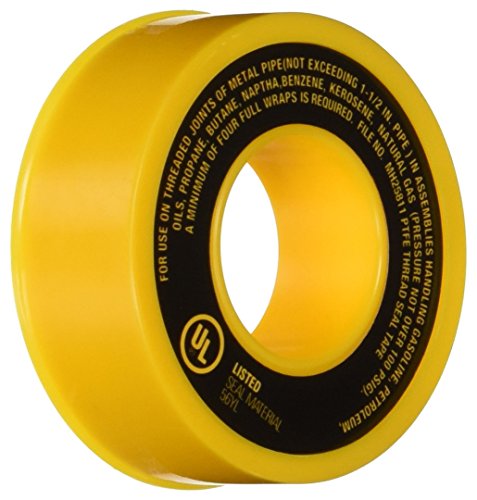
What it is best for: Gas lines and natural gas, propane, butane installations, plus other lines requiring a dense PTFE seal.
Why selected: PTFE tape provides a simple, clean method for sealing threads without the need for pastes or liquids. It’s widely used in gas line work and offers a straightforward application for professionals and DIYers.
Key consideration: Tape sealing is technique-dependent; overlap and tension must be controlled to avoid gapping. It’s best for threaded connections where tight, straight threading is achievable.
Buying Guide: Key Considerations For Gasoline Thread Sealants
What environmental conditions matter?
Fuel systems face heat, cold, moisture, and chemical exposure. Look for high-temperature tolerance, resistance to hydrocarbons, and pliability in cold weather. Non-hardening formulations often perform better under vibration and frequent disassembly.
Material compatibility
Verify compatibility with metals (brass, copper, stainless steel, aluminum) and plastics (PVC, CPVC, ABS). Ethanol blends require sealants designed for ethanol tolerance to prevent drying or cracking.
Application type: paste, liquid, or tape?
Pastes and liquids provide robust sealing for complex joints; tapes offer quick, clean installation for straight, accessible threads. Consider ease of use and the likelihood of future disassembly.
Pressure and vibration considerations
Higher pressures and vibration demand sealants with strong adhesion and stability. For automotive or engine compartments, prioritize fast-drying or high-adhesion formulas that resist loosening.
Safety and compatibility notes
Choose non-toxic or low-toxicity options where exposure risk exists. Check that the product is suitable for fuel lines and does not corrode or degrade the joints over time.
Installation tips
- Clean threads thoroughly before applying any sealant.
- Follow manufacturer cure or set times for liquids and pastes.
- Avoid mixing different sealants on a single joint to prevent compatibility issues.
What to avoid
Avoid using sealants not rated for gasoline or ethanol blends. Some pastes may dry out or become brittle under ethanol exposure, increasing leak risk.
FAQ
- Is a liquid thread sealant better than a tape for gasoline lines? It depends on the joint. Liquids and pastes often provide stronger seals for irregular threads, while tape is quick and clean for straight, accessible connections.
- Can I use any sealant with ethanol-blended gasoline? Use products explicitly formulated for ethanol blends (E10, E85) to avoid swelling, drying, or cracking.
- Do these sealants require cure time? Yes. Some sealants cure quickly, while others remain pliable and set over time. Follow label directions for best results.
- Are these sealants safe for DIY gas line work? Many are designed for both professional and DIY use, but always follow safety guidelines and local codes when working with fuel systems.
- Can I reuse a threaded joint after applying sealant? Some non-hardening sealants allow easy disassembly, but reassembly should be inspected for leaks after retightening.
- Which product is best overall? The best choice depends on your system: Permatex 59214 for high heat, Gasoila Soft-Set for general leak prevention, Gasoila Ethanol for ethanol blends, LOCTITE 565 for automotive high-pressure needs, and Harvey PTFE Tape for quick gas-line sealing.