If you’re shopping for tint paper for cars, you want a kit that offers even coverage, clear visibility, and easy application. This guide focuses on five popular car window tint kits that balance privacy, heat rejection, and installation simplicity. The best choices vary by need: ultimate privacy and UV protection, ease of use for beginners, or professional-grade performance for frequent installers. The table below compares key attributes to help you pick quickly.
| Product | Best For | Notable Benefit | Typical Use |
|---|---|---|---|
| Vepagoo Ceramic Car Window Tint Film, 15% VLT | Daytime privacy with minimal interference | One-way visibility and no signal interference | Daily driver, privacy-focused |
| Mandark Window Tint Kit | DIY enthusiasts and home projects | Versatile tool set with squeegees and knives | Window film installation and trimming |
| RockRose Carbon Window Tint Film, 5% 2PLY | Premium look and strong UV/heat blocking | High UV block and significant heat reduction | Stylish, performance-focused projects |
| Vepagoo 20% VLT Ceramic Car Window Tint Film | Balanced privacy and signal integrity | One-way daytime visibility; no interference | General use with privacy and tech compatibility |
| PAMAGOO Window Tint Car 35% VLT | Scratch resistance and straightforward install | Adhesive-free, includes install guidance | Beginners and light-duty tinting |
Buyer note: The following sections describe each product with a concise view of who benefits most, why chosen, and a practical caveat. This structure aims to help you compare quickly and find the best tint solution for your vehicle.
Vepagoo Ceramic Window Tint Film, 15% VLT
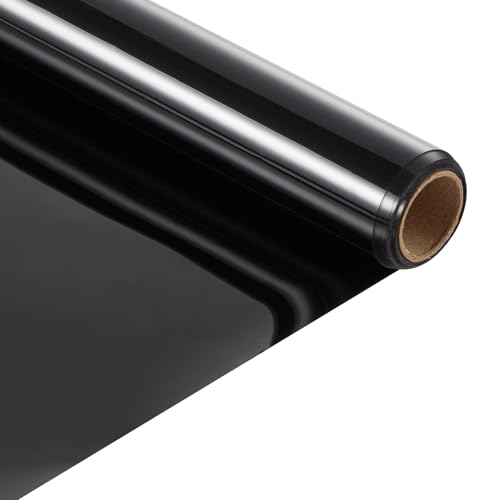
This ceramic tint is best for drivers seeking daytime privacy without blocking the outside view. It reduces infrared heat and glare, helping to keep interiors cooler and more comfortable. The nano-ceramic formula avoids signal interference with GPS and mobile devices, making it suitable for tech-heavy vehicles. Ideal for daily drivers who want privacy and connectivity without sacrificing visibility.
Best for: Daytime privacy with no signal interference; tech-heavy vehicles.
Limitation: At 15% VLT, interior reflection may be higher at night; check local regulations on permissible tint levels.
Mandark 18 PCS Car Window Tint Kit

Best for DIYers and home projects, this kit includes a wide range of tools designed to help with film application, smoothing, and trimming. The set emphasizes compatibility with concave/convex surfaces and larger curved areas, making it useful for complex windows. It’s a practical choice for hobbyists who want a complete toolkit beyond the tint film itself.
Best for: DIY installation and multi-surface projects.
Limitation: The kit focuses on tools; film-specific results depend on the user’s tint film choice and technique.
RockRose Carbon Window Tint Film, 5% 2PLY

This 2PLY carbon film is positioned for premium appearance and strong UV/heat blocking. It reduces interior heat and glare while offering a sleek black finish that enhances vehicle aesthetics. It’s best for drivers who want durable, high-clarity tint and a modern look. Different shade options let you tailor privacy levels.
Best for: Premium look and strong heat/UV protection.
Limitation: 5% tint is very dark; ensure compliance with local laws and verify installation experience to achieve an even finish.
Vepagoo 20% VLT Ceramic Car Window Tint Film
This 20% VLT variant is a balanced option for drivers who want daytime privacy without overly dark windows. Like its 15% counterpart, it uses nano-ceramic technology to prevent signal interference while delivering heat and glare reduction. It’s a practical middle-ground choice for everyday driving and mixed lighting conditions.
Best for: Balanced privacy and tech compatibility.
Limitation: Privacy level is moderate; ensure it aligns with local tint laws for your vehicle type.
PAMAGOO Window Tint Car 35% VLT

This 35% tint offers a straightforward installation experience with an adhesive-free design, paired with a detailed manual and video guide. The coating emphasizes UV and infrared blocking, helping preserve interior materials and maintain comfortable cabin temperatures. Suitable for beginners seeking a simple, reliable tinting solution.
Best for: Beginners and straightforward installations.
Limitation: Adhesive-free films may require precise trimming for perfect fit; ensure you follow included instructions carefully.
Buying Guide
What should I consider before buying tint kit for my car?
Key factors include shade (VLT percentage), material (ceramic vs carbon), UV and heat rejection, signal interference, and ease of installation. Ceramic films typically offer the best balance of optical clarity and heat rejection without interfering with electronics.
Is 15% or 20% VLT better for daytime privacy?
Lower VLT (like 15% or 5%) provides stronger privacy and UV protection but can be too dark for some regions or night driving. Higher VLT (20%-35%) offers better nighttime visibility while still reducing glare and heat.
What tools matter for installation?
Look for kits with squeegees, cutting blades, and spray bottles. Tools that help adapt to curved surfaces reduce air bubbles and ensure a smoother finish. An adhesive-free option can simplify removal and replacement.
How important is signal interference?
Ceramic films minimize signal interference with GPS and mobile devices. If you rely on navigation or wireless devices, choose ceramic or non-metallic films to avoid dead zones or dropped connections.
Are there legal considerations?
tint laws vary by state and vehicle type. Confirm the legal VLT range for the front windows in your area to avoid fines and ensure compliance with local regulations.
What’s the best choice for beginners?
Choose a kit that combines clear instructions, adhesive-free film, and a full set of finishing tools. A 35% to 20% VLT, with a beginner-friendly installation kit, often provides a forgiving balance of privacy and visibility.
FAQ
- Q: Can tint film affect GPS or cell phone signals?
- A: Ceramic and non-metal films are designed to minimize interference, supporting GPS and mobile devices without disruption.
- Q: How dark should my tint be?
- A: It depends on local laws and comfort. Start with mid-range shades (20%–35%) for a balance of privacy and visibility.
- Q: Do I need professional installation?
- A: Not necessarily. Many kits include comprehensive instructions and tools suitable for DIY installation, especially adhesive-free options.
- Q: How long does installation take?
- A: It varies by vehicle size and user experience, but a typical passenger car DIY tint can take 1–3 hours.
- Q: Can I remove tint later?
- A: Yes, most tint films are removable, though some residue may require cleaner or solvent-based removal methods.