Answering the need for durable, reliable semi tire changers, this guide highlights five top options tailored for heavy-duty trucks and semi fleets. Each pick targets a different user type—from mobile shops to full-service garages—so you can choose based on size, power, and job style. The table below summarizes who each product is best for and why.
| Product | Best For | Why It Stands Out |
|---|---|---|
| XK-Heavy Duty Pneumatic Tire Changer | Mobile or small shop operators | Portable, patent-design for 22.5″ tires with bead protection |
| KT-TV910 Hydraulic Bead Breaker & Wheel Lift | Mid to larger repair shops | Full hydraulic control and multi-direction movement for efficient handling |
| VEVOR Manual Tire Changer | Home garages and light-duty users | Low-cost, compact, manual with 8″-16″ tire range |
| BILT HARD Tire Changer and Wheel Balancer | Shop setups needing two-in-one | Rim and tire versatility with integrated balancer |
| VEVOR Bead Tools / Tire Mount Demount Set | Seasoned technicians handling 22.5″-24.5″ tires | Specialized mounting/demounting kit for large semi tires |
Below are key considerations when choosing a semi tire changer. Look for compatibility with tire widths and rim diameters you encounter most, a reliable bead breaker or hydraulic assist, and tool design that minimizes rim and tire damage. For fleet operators, prioritize models that balance power, speed, and space requirements.
Product Spotlight: XK-Heavy Duty Pneumatic Tire Changer

Best for: Mobile teams and small shops that need portability without sacrificing capability.
The XK tire changer features a patented structure designed to improve mounting efficiency while protecting the tire bead. It supports up to 22.5″ tires with a portable design suitable for on-site service. A key benefit is reduced bead damage risk during mounting, thanks to its robust framework. A caveat is that it may not handle “serious” or unusually heavy truck tires, so verify your tire profile before purchase.
Product Spotlight: KT-TV910 Hydraulic Bead Breaker & Wheel Lift
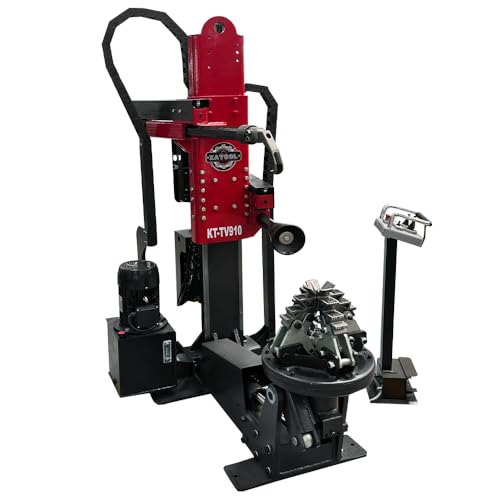
Best for: Shops needing strong hydraulic assistance for both car and heavy-duty tires.
This model combines a tall 55″ height with full hydraulic precision control and multi-direction movement. It’s designed to service heavy-duty truck and standard car tires with smooth operation. It’s a strong choice when you require consistent force and precise positioning. A limitation to watch is the space requirement; ensure your workshop can accommodate the machine’s footprint and clearance for movement.
Product Spotlight: VEVOR Manual Tire Changer

Best for: Home garages and light auto shops focusing on cost-effective upgrades.
This manual tool is built for 8″-16″ tires and emphasizes a tire-friendly design with thicker, rounded contact parts to minimize rim damage. It’s a practical, economical option for occasional semi tire work in non-commercial settings. The trade-off is manual operation, which can be slower for high-volume tasks or extremely tight bead scenarios.
Product Spotlight: BILT HARD Tire Changer and Wheel Balancer

Best for: Shops seeking an all-in-one solution for tire changing and balancing.
Combining a tire changer with a wheel balancer, this unit covers rims from 12″-24″ and tires up to 39.4″ with a 2.0HP motor for bead breaking and a quiet balancer. The setup is suited for shops that value a compact, integrated workflow. Limitation to consider: while versatile, the balance unit’s performance should be evaluated against your most common wheel sizes to ensure compatibility across your fleet.
Product Spotlight: VEVOR Bead Tools For Semi Tires

Best for: Technicians performing frequent 22.5″-24.5″ tire changes on semis.
This 3-piece kit includes a dismount tool, bead holder, and mounting bar designed for larger semi tires. The kit emphasizes tire-friendly contact and longer leverage for faster bead breaking. A potential limitation is that it’s a manual tool set, so high-volume operations may still require a powered machine for throughput. Lubrication during operation is advised to minimize friction and protect tire surfaces.
Buying Guide: How To Choose The Right Semi Tire Changer
- Truck tire range: Confirm the maximum rim diameter and tire width you’ll handle. Some models specifically target 22.5″ tires, while others cover up to 24.5″ or more.
- Power source and control: Decide between pneumatic, hydraulic, or manual systems. Hydraulic units offer smoother, controlled operation and are better for heavy tires; pneumatic models are usually lighter and portable.
- Footprint and shop layout: Evaluate space and ceiling height. Tall units with hydraulic lifts require more room to maneuver safely.
- Bead protection: Look for padded or rounded contact points to minimize rim and bead damage during mounting and demounting.
- All-in-one vs. specialty tools: If you also need wheel balancing, a combined changer/balancer can save space. For dedicated tire work, a focused changer plus separate bead tools may be more economical.
- Maintenance and parts availability: Choose brands with accessible spare parts and straightforward maintenance to minimize downtime.
Frequently Asked Questions
- What tire sizes do semi tire changers typically cover? Most models target 22.5″ to 24.5″ rims, with some options handling up to 39″ tires when paired with a balancer or larger changers.
- Is a hydraulic system worth it for semi tires? Yes, for frequent or heavy-duty use, hydraulic control provides smoother, more precise bead breaking and positioning.
- Can a manual tire changer handle semi tires? For occasional roadside or hobby use, a manual or small manual-assisted changer can work, but it will be slower and require more effort on large semi tires.
- Should I buy an all-in-one changer and balancer? If space and workflow efficiency matter, an integrated changer/balancer can reduce setup time and clutter, though ensure the balancer supports your wheel range.
- What safety features matter? Look for protective mounting heads, stable basins, and components designed to minimize rim damage during mounting and demounting.
- How important is the warranty? For heavy machinery used in fleets, a strong warranty and readily available parts support are critical considerations for uptime.