If you’re boosting a 5.3L LS engine, these turbo-focused parts are designed to improve boost response, reliability, and power potential. This guide highlights five products that are commonly chosen for 5.3 turbo builds and explains who benefits most from each upgrade. The top picks cover turbo camshafts, head studs, and an oil diverter bar to support high-boost operation. Use the summary table to compare fit, purpose, and key considerations at a glance.
Summary of chosen products
| Product | Best For | Key Benefit |
|---|---|---|
| BTR Stage 3 LS Turbo Cam | Daily drivers and lighter builds | Increases RPM range and boost response |
| BTR Stage 4 LS Turbo Cam | Aggressive turbo builds | Sharper exhaust flow and power potential |
| Texas Speed Stage 2 Turbo Cam | Boosted applications | Boost-friendly profile with included springs |
| PQY 12-Point Head Stud Bolts Kit | High-boost engines | Strong, reliable head fasteners for torque retention |
| LS Oil Diverter Barbell | LS swaps and turbo setups | Improved oil control and reduced leaks |
BTR Brian Tooley Racing LS Stage 3 Turbo Camshaft

The BTR Stage 3 Camshaft is designed for turbo LS builds with a focus on higher RPM and improved airflow. It comes with compatible valve train components and is positioned for users who want more power without a dramatic shift in idle behavior. This choice is best for lighter, responsive turbo setups where peak RPM gain is a priority. Caution: installation requires proper spring and retainer compatibility and precise timing to avoid valvetrain issues.
BTR Brian Tooley Racing LS Stage 4 Turbo Camshaft

The Stage 4 cam is built for more aggressive boost and higher overall power. It suits turbo setups where the engine can handle increased exhaust flow and a broader RPM band. This option is best for enthusiasts seeking maximum performance from a turbo 5.3 without swapping to a radically different engine. Limitation: higher lift and duration can demand upgraded valve springs and careful tuning for reliability under boost.
Texas Speed Stage 2 Turbo Cam

The Texas Speed Stage 2 Cam is a popular choice for boosted 4.8/5.3 LS engines due to its balanced gains in power and driveability. It includes a complete springs kit and is designed for boosted applications, making it a straightforward upgrade for many LS turbo builds. Choose this if you want reliable performance without extreme valve train revisions. Limitation: you may need additional tuning and supporting hardware to maximize benefits.
PQY 12-Point Cylinder Head Stud Bolts Kit
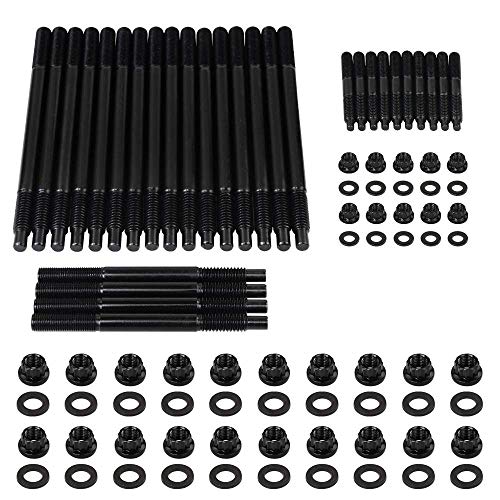
The 12-point head studs kit is designed for high-boost LS engines, offering high tensile strength and reliable clamping force. It’s compatible with 4.8L, 5.3L, and other related LS platforms. Best for engines that will see elevated cylinder pressures, particularly in turbo setups. Caution: proper lubrication and installation torque are essential to prevent head gasket issues and leakage under boost.
LS Oil Diverter Barbell

The LS Oil Diverter Barbell is an aluminum alloy solution designed to improve oil distribution and reduce bypass in LS turbo installations. Made from 6061-T651 aviation-grade aluminum, it emphasizes durability and heat resistance. It’s best for turbo builds where oil control and reliability are critical. Caution: ensure compatibility with your engine bay layout and oiling system before installation.
Buying Guide: How To Choose The Right Turbo Upgrades For A 5.3
- Identify your goals: If you want quick upgrade with minimal downtime, a turbo camshaft like Stage 3 provides noticeable gains with decent driveability. For serious power, Stage 4 or similar aggressive cams are options, but require supporting parts and tuning.
- Consider the supporting hardware: High-boost engines need upgraded valve springs, pushrods, head studs, and oil management components. The included springs kit with cam packages and the PQY head studs are common companions for boosted LS builds.
- Oil management matters: An oil diverter barbell helps maintain oil flow under boost, reducing the risk of oil starvation and related issues. This is particularly useful in high-boost 5.3 builds.
- Installation considerations: Cam and head stud upgrades require precise torque specs, proper lubrication, and sometimes professional tuning. Ensure compatibility with your cam, lifters, and valve train components.
- Intended use: Daily drivers may benefit from cam profiles that prioritize drivability, while track or street-strip setups might opt for more aggressive cams and stiffer supporting parts.
Frequently Asked Questions
- Will a turbo cam affect daily drivability? Some cam profiles prioritize turbo responsiveness and RPM range; idle quality and smoothness can vary based on overall setup and tuning.
- Do I need aftermarket springs with turbo cams? Yes, many turbo cam installations require upgraded springs and titanium retainers to handle higher lift and RPM ranges.
- Is a head stud kit essential for turbo applications? For high-boost builds, head studs help maintain clamping force and reliability under boost, reducing the risk of head gasket failure.
- Can I reuse stock oil routing parts with a turbo kit? It depends on the kit and the engine setup. Upgraded oil diverters and routing may improve reliability in boosted configurations.
- How do I choose between Stage 3 and Stage 4 cams? Stage 3 emphasizes driveability with good boost response; Stage 4 targets higher power with more aggressive flow and timing, requiring more supporting upgrades.
- What maintenance is required after a turbo upgrade? Regular oil changes with suitable viscosity, inspection of hoses and clamps, and periodic checks of valve train components help sustain reliability.