Looking for reliable vent lines for ATVs? This guide highlights practical vent lines that fit most carbureted ATV engines and small off-road machines. It covers versatile polyurethane tubes, bulk vent hoses, and universal options ideal for ATV, dirt bike, go-kart, and small engine projects. The selections are geared toward riders and DIYers who want durable, flexible, and easy-to-install vent solutions. The table below compares five top picks to help you choose quickly.
| Product | Key Benefit | Best For |
|---|---|---|
| M METERXITY Tubing Carburetor Fuel Vent Line (6mm ID / 8mm OD, 5′) | Wide compatibility, durable polyurethane, 5′ length | General ATV, go-kart, dirt bike venting |
| TUSK Carburetor Vent Line – 1/8″ ID, 5′ Blue | Flexible, weather-resistant, cut-to-length | Custom vent routing for ATVs and dirt bikes |
| M METERXITY Tubing Carburetor Fuel Vent Line (2.5mm ID / 5mm OD, 7′) | Compact size for tight spaces, durable polyurethane | Small-engine venting and fuel lines |
| 2Pcs ATV Gas Tank Vent Hose Air Vent Hose Kit | Dual pack, aluminum breather style with check ball | ATV gas cap venting and tank breathing |
| AloneGoer 3 Feet 1/8″ – 5/16″ ID Fuel Line Kit (40 clamps) | Multiple sizes in one kit, braided NBR for durability | Versatile venting and fuel line needs across multiple machines |
M METERXITY Tubing Carburetor Fuel Vent Line (6mm/8mm, 5′)

- Features: Inner 6 mm (0.24″), outer 8 mm (0.31″), total 1.5 m (5 ft); polyurethane material; multipurpose use for various small engines.
- Best for: ATV, go-kart, and dirt bike setups requiring a versatile vent tube with robust abrasion resistance.
- Caution: Ensure the inner diameter matches your carburetor port; this is a universal line and may need trimming or adapters in tight spaces.
Tusk Carburetor Vent Line – 1/8″ ID × 5′ Length, Blue Polyurethane

- Features: 1/8″ inner diameter; 5′ length; flexible polyurethane; designed to resist weathering, kinking, tearing, and abrasion.
- Best for: Riders needing a cut-to-length solution with dependable weather resistance for vent lines on ATVs and dirt bikes.
- Caution: Not CARB compliant; consider local regulatory needs if vent emissions are a concern for certain builds.
M METERXITY Tubing Carburetor Fuel Vent Line (2.5mm ID / 5mm OD, 7′)
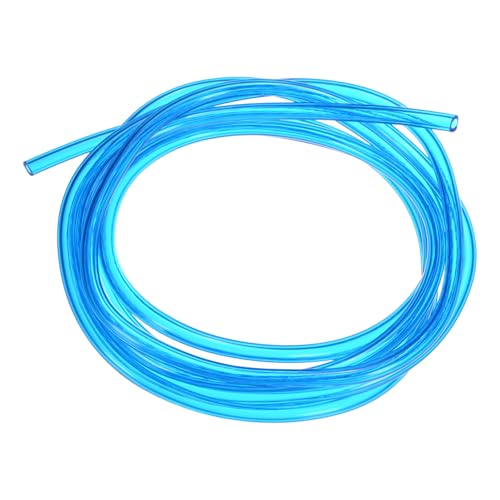
- Features: Inner 2.5 mm (0.1″), outer 5 mm (0.2″), length 2 m (7 ft); polyurethane tube for durability in small-engine fuel venting.
- Best for: Tight-space vent routing in ATVs, go-karts, and pocket bikes where a smaller bore is needed.
- Caution: Smaller ID may restrict venting capacity in high-flow systems; verify system requirements before use.
2Pcs ATV Gas Tank Vent Hose Air Vent Hose Kit (Blue)

- Features: Aluminum breather with check ball; designed for tank pressure relief and venting; anodized surface resists corrosion.
- Best for: Dirt bikes and ATVs needing a robust breather solution that prevents fuel splash and dust intrusion.
- Caution: Aluminum components require proper mounting to avoid abrasion or stress on hoses during rough terrain use.
AloneGoer 3 Feet Multi-Size Fuel Line Kit (40 Clamps)

- Features: Five sizes (1/8″, 3/16″, 0.22″, 1/4″, 5/16″) with 40 clamps; NBR rubber with braided polyester for durability; high/low temp resistance.
- Best for: Owners seeking a single kit capable of fitting multiple vent and fuel-line needs across various ATVs and small engines.
- Caution: Ensure the clamps fit properly to avoid leaks at higher engine vibrations; check hose compatibility with fuel type.
Buying Guide
What to consider when choosing ATV vent lines
- Tube size vs. port size: Match inner diameter to the carburetor vent port or budget for adapters if required.
- Material durability: Polyurethane and NBR rubber hoses offer good flexibility and heat resistance for outdoor use.
- Length and routing: Longer hoses provide versatility but may require tidy routing to avoid snagging or kinking.
- Climate and environment: Weather resistance matters for exposed builds; consider UV stability and abrasion resistance.
- Aluminum vs. plastic fittings: Aluminum breather parts resist corrosion but may add weight; plastic hoses are lighter but may be less robust in rough service.
- Maintenance: Check hoses for cracks,硬化, or swelling; replace if signs of wear appear.
- Compliance and compatibility: Some vent lines may not be CARB compliant; verify local regulations for your vehicle class and usage.
Frequently Asked Questions
- What is the most versatile vent line length for ATVs? A length around 5 feet often balances routing flexibility and manageability, but choose based on your venting path.
- Can vent lines be used for both fuel and air venting? Yes, most small-engine vent lines are designed for fuel-air venting in carburetor and tank breather systems.
- Do I need a check valve or ball in the vent line? Some designs include a check ball to prevent fuel splash; evaluate your fuel system’s venting needs.
- Is direct exposure to weather a problem for polyurethane hoses? Qualified polyurethane hoses are generally weather-resistant, but avoid prolonged exposure to extreme heat or direct sunlight without protection.
- How do I know which inner diameter to choose? Measure the existing hose or port ID; if in doubt, choose a slightly larger ID and trim as needed with appropriate tools.
- Are aluminum breather hoses better than plastic? Aluminum components resist corrosion and provide a rugged feel; plastic solutions are lighter and cheaper but may wear faster in rough conditions.