Answering buyers seeking reliable auto window tint options, this guide highlights five practical choices. Best for DIY installation, privacy, UV protection, or heat reduction, these picks cover ceramic and film tints with clear, data-backed benefits. See a quick product comparison below to identify the right fit for your needs.
| Product | Brand | Type | Best For |
|---|---|---|---|
| PAMAGOO Window Tint Car 35% VLT | PAMAGOO | Ceramic Window Tint | UV protection, heat reduction, everyday driving |
| Vepagoo 20% VLT Ceramic Window Tint Film | Vepagoo | Ceramic Window Tint | Daytime privacy, no signal interference, heat control |
| TOYOCO 35% VLT Ceramic Window Tint Film | TOYOCO | Ceramic Window Tint | Privacy with minimal perception loss, UV/IR rejection |
| RockRose 5% Nano Ceramic Window Tint | RockRose | Ceramic Window Tint | Strong privacy, UV/IR blocking, customizable tint options |
| Mandark 18PCS Car Window Tint Kit | Mandark | Tinting Tool Kit | DIY film application, helpful for precise installations |
PAMAGOO Window Tint Car 35% VLT

PAMAGOO offers a ceramic, adhesive-free tint with 35% VLT. Best for drivers seeking noticeable daytime privacy without heavy visual obstruction. The film claims 95% UV and 88% IR rejection, contributing to skin protection and interior longevity. Installation is supported with a detailed manual and video for a straightforward, DIY-friendly process.
Who this is best for: everyday drivers who want strong UV/heat defense and clear daytime visibility. Caution: installation success depends on following instructions closely; improper handling can affect adhesion and finish.
Mandark 18PCS Car Window Tint Kit

Mandark supplies a comprehensive tinting toolkit aimed at DIY enthusiasts. The kit combines both plastic and metal elements to support forming on curved glass and achieving a smooth finish. It includes multiple squeegees, a cutter with blades, and other tools designed to help users manage air bubbles and edge fitting.
Who this is best for: hobbyists or installers who prefer a complete toolkit for auto glass tinting. Caution: this is a tool kit, not a standalone film; success depends on compatible film and technique used.
Vepagoo 20% VLT Ceramic Window Tint Film
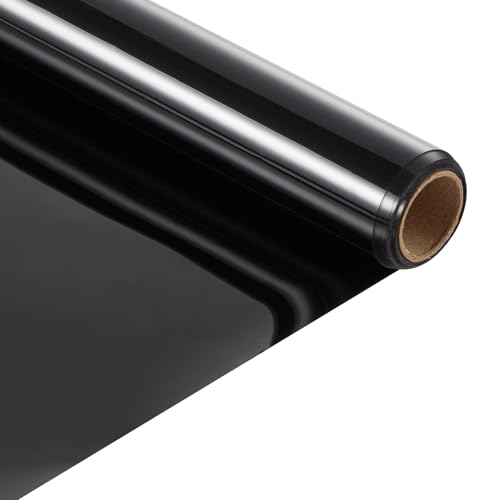
Vepagoo’s 20% VLT ceramic film emphasizes daytime privacy with minimal visual obstruction. It is designed to minimize signal interference so GPS and mobile devices continue to function effectively after installation. The product focuses on heat and glare reduction to keep interiors cooler and more comfortable.
Who this is best for: drivers needing privacy and reliable device performance, especially in sunny climates. Caution: higher VLT percentage means slightly less privacy than darker tints; assess your local regulations.
Window Tint Film for Cars 35% VLT 24in X 15Ft Ceramic Tint
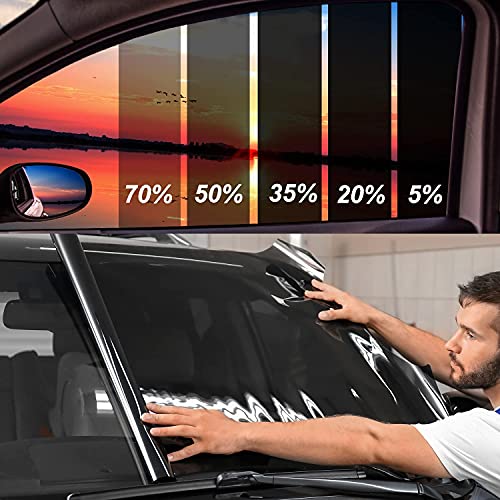
TOYOCO offers a 35% VLT ceramic tint with strong UV and IR blocking properties. The film claims UV rejection above 99% and IR rejection above 95%, supporting interior protection and heat resistance. It emphasizes privacy while maintaining clear daytime vision and edge durability thanks to ceramic construction.
Who this is best for: those seeking a balance of privacy and sun protection with robust UV/IR rejection. Caution: ensure correct cutting and installation to avoid edge lifting on curved glass.
RockRose 5% Nano Ceramic Window Tint

RockRose presents a 5% nano ceramic film intended for strong privacy and high UV/IR blocking. The film is designed for a sleek appearance with low haze, and RockRose offers multiple tint levels to suit different aesthetics and regulatory needs. It emphasizes a strong adhesive and shrink-friendly properties for easier fitting.
Who this is best for: drivers prioritizing maximum privacy and heat control. Caution: 5% VLT is very dark and may be restricted in some areas; check local tinting laws before use.
Buying Guide: Key Considerations For Auto Window Tint
- Light Transmission (VLT): Decide how dark you want the tint to be. Higher VLT allows more visibility; lower VLT increases privacy but may be restricted by law.
- Ceramic vs. standard film: Ceramic films typically offer better UV/IR rejection and signal clarity, with less haze, but may cost more.
- UV and IR Rejection: Look for claims of UV blocking (>99%) and IR blocking to reduce heat and protect interiors.
- Privacy vs. visibility: One-way or daytime privacy benefits vary by lighting; test for acceptable visibility from inside and outside.
- Installation approach: Adhesive-free options can simplify removal and reduce residue, but may require careful application for a flawless finish.
- Compatibility and fit: Ensure the tint size matches your window dimensions and curved surfaces; some kits include tools to aid application.
- Legal requirements: Tint darkness and reflection vary by state. Confirm local regulations to avoid fines.
Frequently Asked Questions
- What is the main benefit of ceramic window tint?
Ceramic tints typically offer superior UV and IR rejection, clearer visibility, and less signal interference than metalized films. - Will tinting affect GPS or phone signals?
High-quality ceramic films are designed to avoid signal interference, preserving device performance. - How dark should my auto tint be?
The right darkness depends on legal limits, privacy needs, and driving comfort; select a VLT that balances these factors. - Is DIY tinting advisable for beginners?
DIY kits and toolsets can help, but proper technique is essential to avoid bubbles, creases, or edge lift. - Can tinting reduce interior fading?
Yes, UV protection helps slow upholstery fading and material aging over time. - Do darker tints cost more?
In many cases, darker or higher-performance films (e.g., ceramic) may have higher upfront costs but offer greater heat reduction and privacy.