Engine oil additives can help reduce wear, lower friction, and improve efficiency when used as part of a regular maintenance routine. This guide highlights five well-rounded options suited to gas and diesel engines, including additives that protect bearings, reduce noise, and extend oil life. It’s designed for car owners, truck drivers, and fleet managers seeking straightforward improvements without expensive overhauls. The table below summarizes the five picks with key strengths to help you compare at a glance.
| Product | Best For | Why Selected |
|---|---|---|
| Prolube Oil Treatment 1QT | Daily drivers and heavy-duty applications | High-performance formula reduces wear, noise, and vibration; potential fuel savings; broad applicability including transmissions/differentials. |
| Liqui Moly Ceramic Wear Protection 300 ml | Petrol and diesel engines needing low-friction protection | Ceramic wear protection; stable under high loads; compatible with most filters and oils. |
| Bar’s Leaks Rislone 4405 Zinc Treatment | Engine components needing zinc and anti-wear boost | Zinc/phosphorus EP additives address protection at startup; reduces friction and wear; protects piston and valve train. |
| Liqui Moly Motor Oil Saver 300 ml | Oil consumption reduction | Helps curb oil burn and leaks; supports seal and ring performance; reduces blue smoke. |
| Lucas Oil 10001 Heavy Duty Oil Stabilizer | Engine longevity and older engines | Popular stabilizer for reducing oil consumption and improving protection across engines. |
Prolube Oil Treatment 1QT
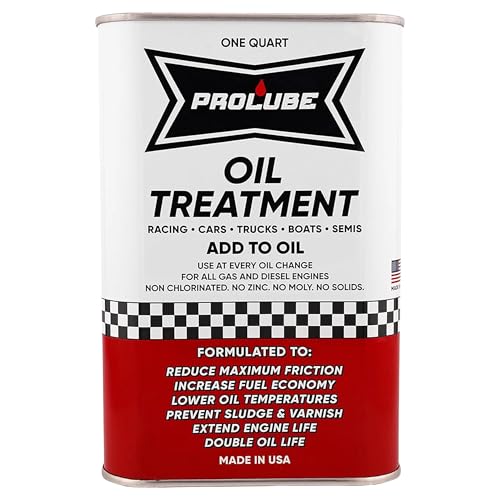
Best for drivers who want a strong all-around performance boost. The Prolube formula aims to increase horsepower, quiet engine noise, and reduce vibrations while supporting smoother operation under daily use or heavy duty conditions. It also advertises fuel economy benefits by reducing friction across moving parts.
Why chosen: It integrates into the oil system and claims up to noticeable wear reduction and longer engine life by lowering friction. This makes it suitable for engines facing higher stress or older seals that benefit from smoother lubrication. A caution is that results can vary with engine type and existing oil formulation.
Who it’s for: Ideal for everyday commuters and work vehicles needing a reliable ride quality improvement with potential fuel savings. Avoid if you require a smaller dose or prefer ceramic-based protection alone.
Liqui Moly Ceramic Wear Protection 20002

Best for owners who want long-lasting ceramic wear protection and compatibility across many oil formulations. This product mixes with standard motor oils and remains stable under high thermal and dynamic loads, helping keep friction down and protecting the lubrication system.
Why chosen: The ceramic film provides durable friction reduction and can help with smoother engine operation. It’s compatible with common filters and can be a good fit for engines that see extended service intervals. Caution: as with all additives, performance may hinge on proper oil type and engine condition.
Bar’s Leaks Rislone 4405 Zinc Treatment
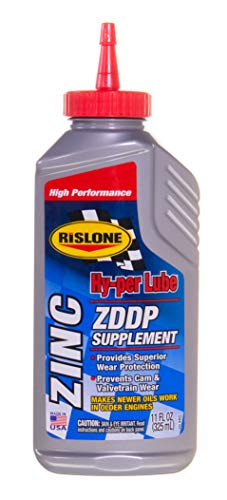
Best for engines that benefit from a zinc and phosphorous boost to protect valve trains and bearings. The formula adds ZDDP and EP additives to help guard pistons, camshafts, lifters, and related components, especially during startup when wear risk is high.
Why chosen: It targets wear reduction and improved protection against friction, which can extend the life of critical components. A limitation is that some modern engines with low zinc requirements may respond differently; verify compatibility with your engine’s oil specification.
Prolube Oil Treatment 16oz

Best for users who want a larger quantity for multiple applications or for use in heavy-duty conditions. The 16-ounce bottle provides the same wear-reduction and noise-dampening benefits as the 1-quart version and is suitable for environments that demand more frequent or extended use.
Why chosen: It maintains the same performance claims—lower friction, higher efficiency, and extended engine life—while offering a bulk option. Caution: confirm dosage guidelines for your specific engine size to avoid over-application.
Lucas Oil 10001 Heavy Duty Oil Stabilizer

Best for engines needing a traditional stabilizer boost that focuses on reducing oil consumption and smoothing operation. Lucas Oil 10001 is a widely recognized option for broad compatibility and a straightforward approach to improving lubrication film integrity.
Why chosen: It provides a simple, well-known solution for improving engine life and reducing some common wear concerns. A caution is that high-mileage engines or specific modern designs may respond differently, so verify compatibility with your oil type and vehicle guidelines.
Buying Guide: Key Purchase Considerations
- Engine type and oil specification: Confirm whether the additive supports gasoline, diesel, or both, and check your current oil viscosity and certification (for example, 5W-30, API rating).
- Wear protection needs: If you face startup wear or valve-train concerns, consider zinc/phosphorus EP boosters or ceramic wear protection for stronger film formation.
- Fuel economy vs. wear protection: Some formulas emphasize friction reduction for better efficiency; others prioritize long-term wear protection.
- Volume and dosing: Larger bottles offer value for multi-application needs, but ensure you’re using the correct dose for your engine size to avoid over-application.
- Compatibility with existing oil: Most additives are designed to mix with common motor oils, but verify filters, seals, and current additive packages to prevent incompatibilities.
Frequently Asked Questions
- Do engine oil additives really save fuel? – Some formulations reduce friction and improve lubrication, which can modestly improve efficiency, though results vary by engine and driving conditions.
- Can I use more than one additive at a time? – It’s generally not recommended to mix multiple additives; follow the product’s instructions or consult a technician for guidance.
- Will additives fix a leaking engine? – Most additives are not a cure for major leaks. They may help reduce consumption or improve seals temporarily but professional inspection is advised for leaks.
- Are zinc-based additives safe for modern engines? – Zinc and phosphorus boosters are compatible with many engines, but some modern designs prefer low-zinc formulations. Check your manufacturer’s guidance.
- How do I choose between ceramic wear protection and traditional oil stabilizers? – Ceramic options aim for long-term friction reduction under high loads, while stabilizers focus on oil film integrity and general wear protection. Your driving style and engine condition influence the best choice.
- Is an additive necessary for high-mileage engines? – High-mileage engines may benefit from protective films and wear-reducing additives, but it’s best used as part of a regular oil maintenance plan and with professional advice.